Famous Blonde Actresses in Hollywood Today

Blonde actresses have shaped Hollywood’s visual language for over a century, from the platinum sirens of the silent era to the sun-kissed leading women who dominated multiplexes through the nineties and two-thousands. But the most interesting thing about the best of them is how deliberately they have used that image, treating their hair as an active ingredient in how a character reads on screen.

Most Famous Blonde Actresses

Meg Ryan built a romantic comedy empire on its warmth. Charlize Theron has spent a career dismantling it. Cate Blanchett made it feel timeless, Reese Witherspoon made it funny, and Kate Hudson made it look like the most natural thing in the world. The ones covered here each found something different inside the same look, and that range is exactly the point.
Cameron Diaz

Cameron DiazJean_Nelson / Deposit Photos

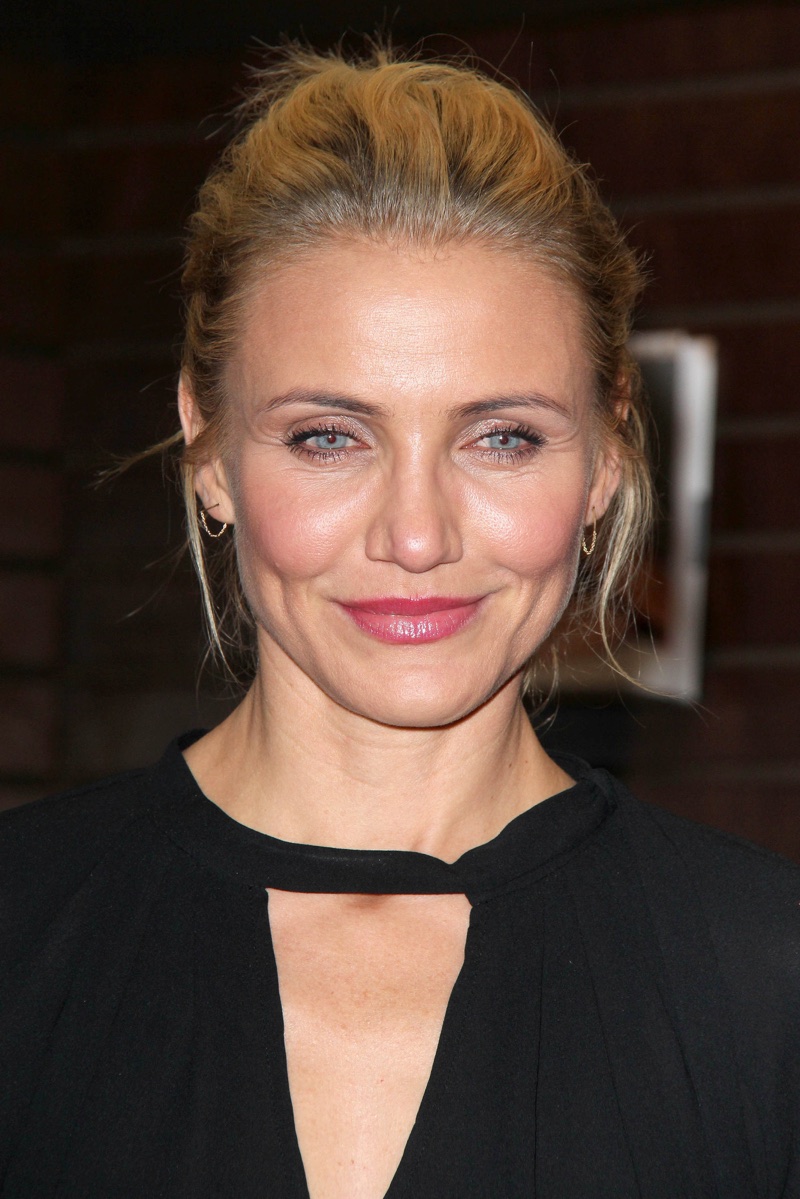
Cameron Diaz’s blonde hair arrived fully formed in The Mask (1994), sun-bright and impossible to ignore, and it became the visual signature of one of the most physically committed comedic performers of her generation. From the disheveled chaos of There’s Something About Mary (1998) to the polished shimmer of Charlie’s Angels (2000), her hair tracked the full range of what she was doing on screen, loose and anarchic one film, sleek and confident the next.

Cameron Diaz defined a particular strain of Hollywood comedy in the late nineties, a performer whose timing and total physical commitment to a joke made the whole enterprise look like she was having more fun than anyone else on set. She broke through with The Mask (1994) and went on to a career that includes My Best Friend’s Wedding (1997), There’s Something About Mary (1998), Charlie’s Angels (2000), and Gangs of New York (2002). Her retirement from acting in 2014 and subsequent return in Back in Action (2025) made it immediately clear how much of a specific frequency had gone missing from mainstream Hollywood comedy in her absence.

Charlize Theron

Charlize Theroneverett225 / Deposit Photos

Charlize Theron’s blonde hair has been one of her most versatile tools since she arrived in Hollywood, shifting in texture and weight to suit whatever a role demands. From the sun-warmed softness she brought to The Devil’s Advocate (1997) to the sleek, weaponized precision of Atomic Blonde (2017), her hair has tracked her career as much as her filmography has.

Charlize Theron is one of the most physically and dramatically transformative actresses working in Hollywood, a South African performer who arrived as a conventional beauty and spent the following three decades systematically dismantling that expectation in the most demanding ways available. She broke through with The Devil’s Advocate (1997) and went on to a career that includes Monster (2003), North Country (2005), Mad Max: Fury Road (2015), and Bombshell (2019), winning the Academy Award for Best Actress for Monster. Her willingness to obliterate her own glamour in service of a role, and then return to action filmmaking and prove she could anchor a franchise on pure physical authority, represents one of the more complete demonstrations of range any actress has mounted in modern Hollywood.

Jennifer Aniston

Jennifer AnistonJean_Nelson / Deposit Photos

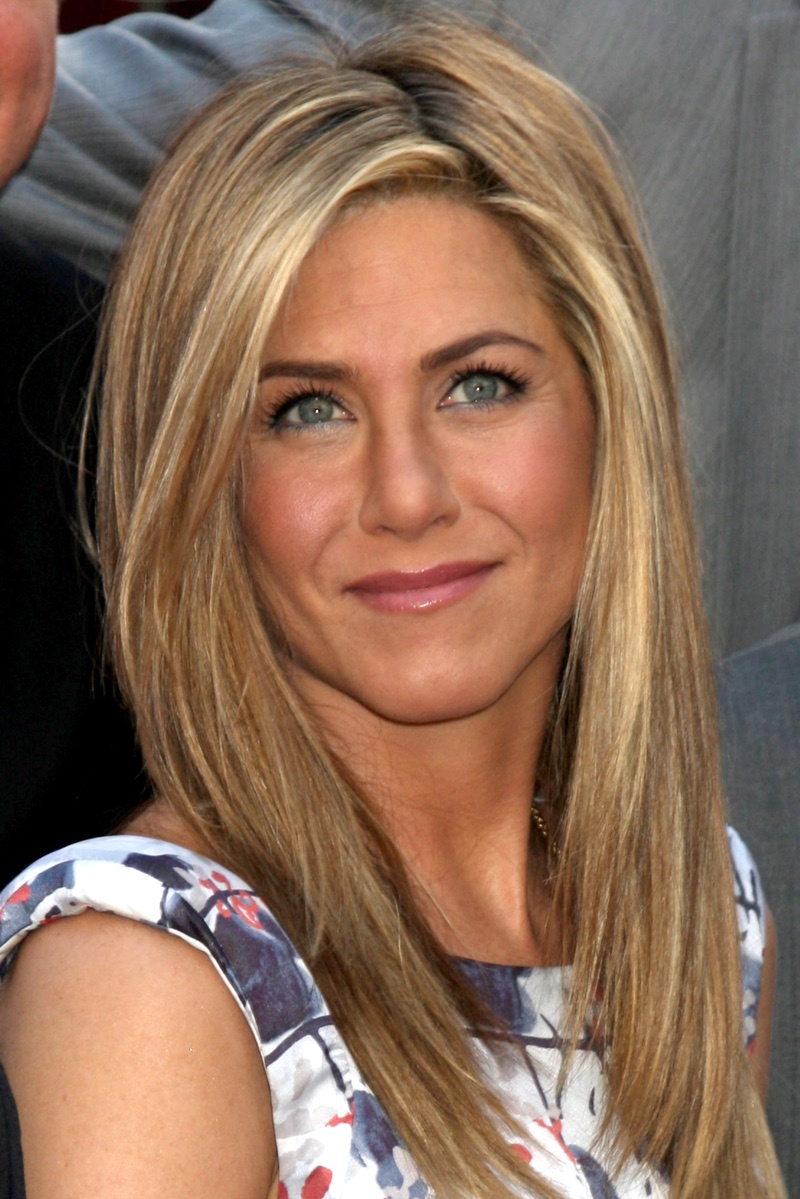
Jennifer Aniston’s blonde hair entered the cultural conversation in 1994 when Friends debuted, and “The Rachel” became the most requested haircut in America overnight. From the warm, layered look she wore through ten seasons of television to the sleeker, sun-kissed versions she has carried through films like Along Came Polly (2004), The Break-Up (2006), and Horrible Bosses (2011).

Jennifer Aniston is one of the most enduringly watchable actresses in American entertainment, a performer whose decade on Friends built a level of audience affection that the film industry has spent twenty years trying to convert into box office and has only partially succeeded. She broke through with Friends (1994) and went on to a career that includes The Good Girl (2002), Bruce Almighty (2003), Marley and Me (2008), and The Morning Show (2019). Her dramatic work in The Good Girl arrived early enough to signal a range the mainstream never quite trusted her with, and her Emmy and Golden Globe wins for The Morning Show confirmed that the instinct had been correct all along.

Kate Winslet

Kate WinsletPopularImages / Deposit Photos

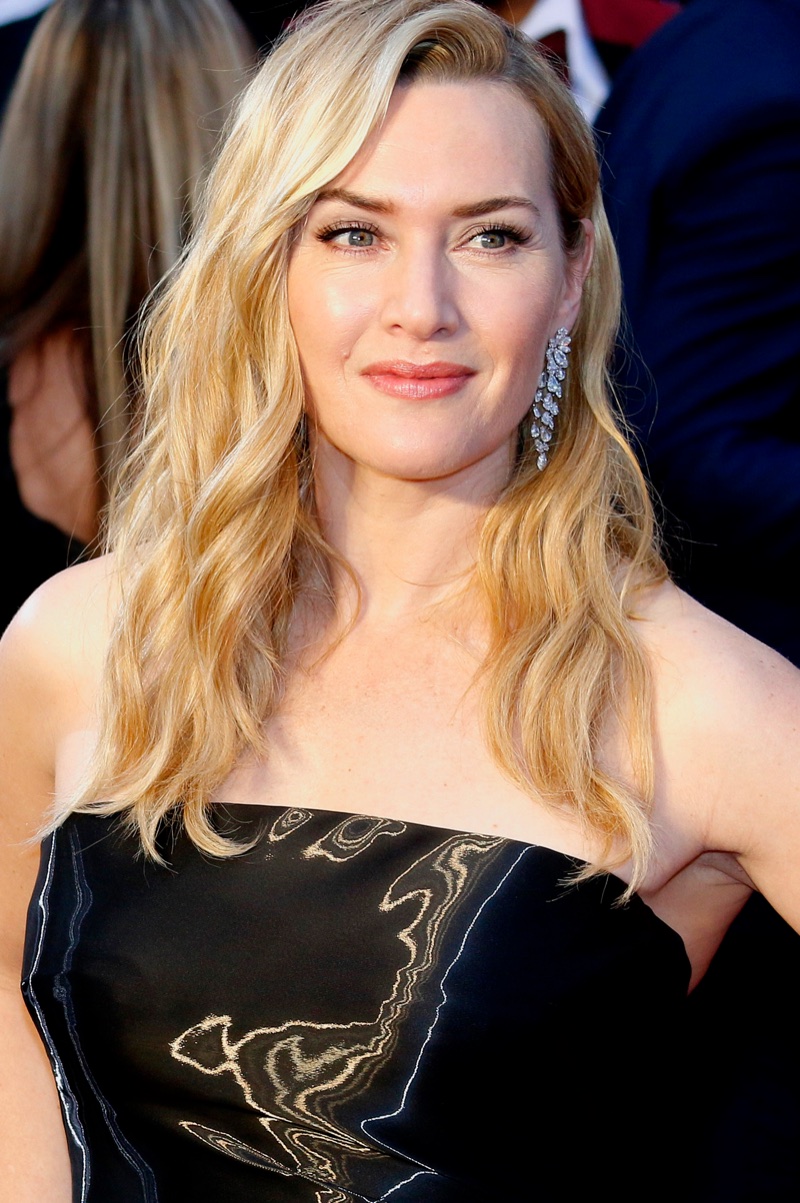
Kate Winslet’s blonde hair functions as a pragmatic indicator of class and temperament rather than a glamorous fixture. In The Holiday (2006), Revolutionary Road (2008), and The Reader (2008), the specific shade, ranging from warm honey to a brittle, clinical platinum, is used to signal a character’s social standing or internal coldness. Even in Mare of Easttown (2021), her faded, unstyled blonde roots serve as a literal map of exhaustion and neglect.

Kate Winslet is one of the most formidable and fearless actresses working in film, a British performer who arrived fully formed at nineteen and has spent the three decades since building a body of work that stands as one of the most impressive in modern cinema. She broke through with Sense and Sensibility (1995) and went on to a career that includes Titanic (1997), Eternal Sunshine of the Spotless Mind (2004), Little Children (2006), and The Reader (2008), for which she won the Academy Award for Best Actress. Her six Academy Award nominations across fifteen years reflect a consistency of output that places her alongside the very small group of actresses for whom the word serious functions as an understatement.

Sarah Jessica Parker

Sarah Jessica ParkerPopularImages / Deposit Photos

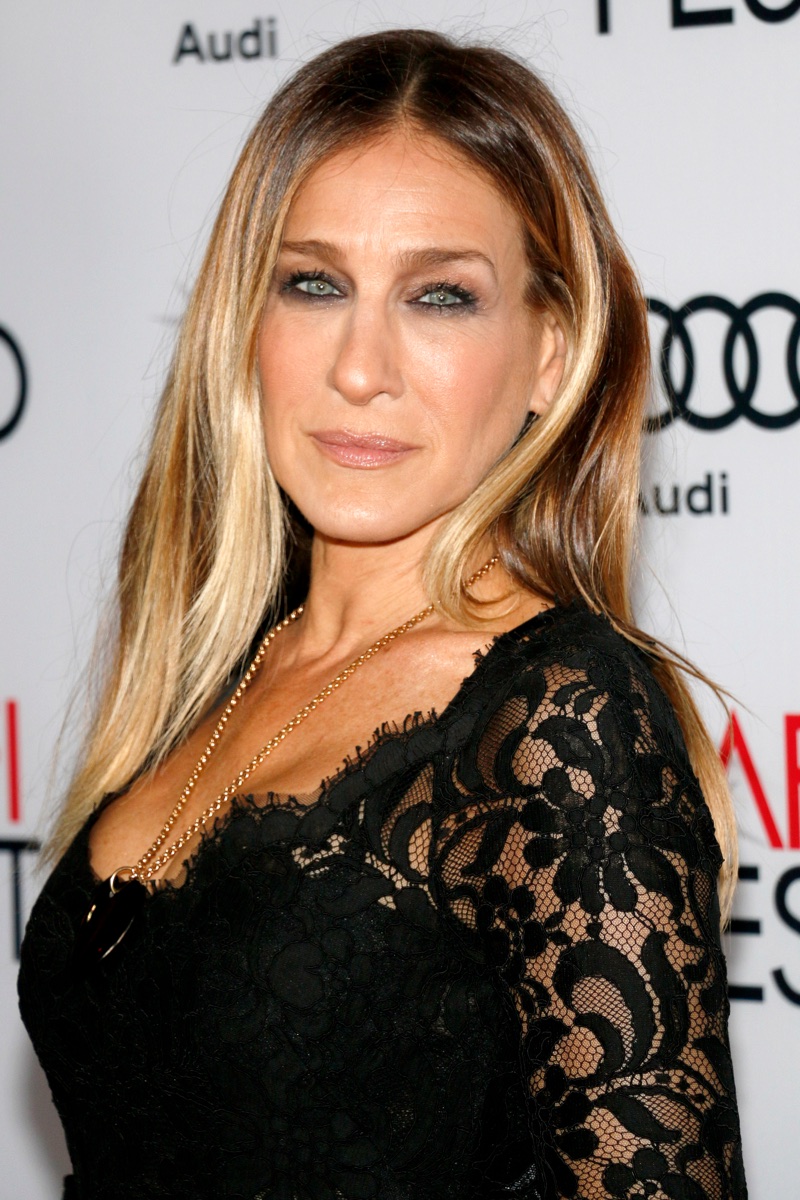
Sarah Jessica Parker’s blonde hair functions more as a tactic than a decoration. The golden, expansive curls in Sex and the City signal a specific brand of urban liberation, while the severe, tightly pinned blonde in The Family Stone operates as a mask of high-strung professionalism. Whether appearing as the polished, status-conscious mistress in The First Wives Club or the erratic, bleached airhead in Hocus Pocus, the color supports her acting.

Sarah Jessica Parker is one of the most culturally influential actresses of her generation, a performer whose decade as Carrie Bradshaw on Sex and the City reshaped television drama, the fashion industry, and the conversation around what a female-led series could look like. She broke through with L.A. Story (1991) and went on to a career that includes Ed Wood (1994), Hocus Pocus (1993), and The First Wives Club (1996), before four Golden Globe wins and the global phenomenon of Sex and the City (1998) made her one of the most recognizable actresses on the planet. Her return to the role in And Just Like That (2021) demonstrated both the loyalty of the audience she built and her own continued investment in a character she has now inhabited across three decades.

Meg Ryan

Meg Ryanarp / Deposit Photos

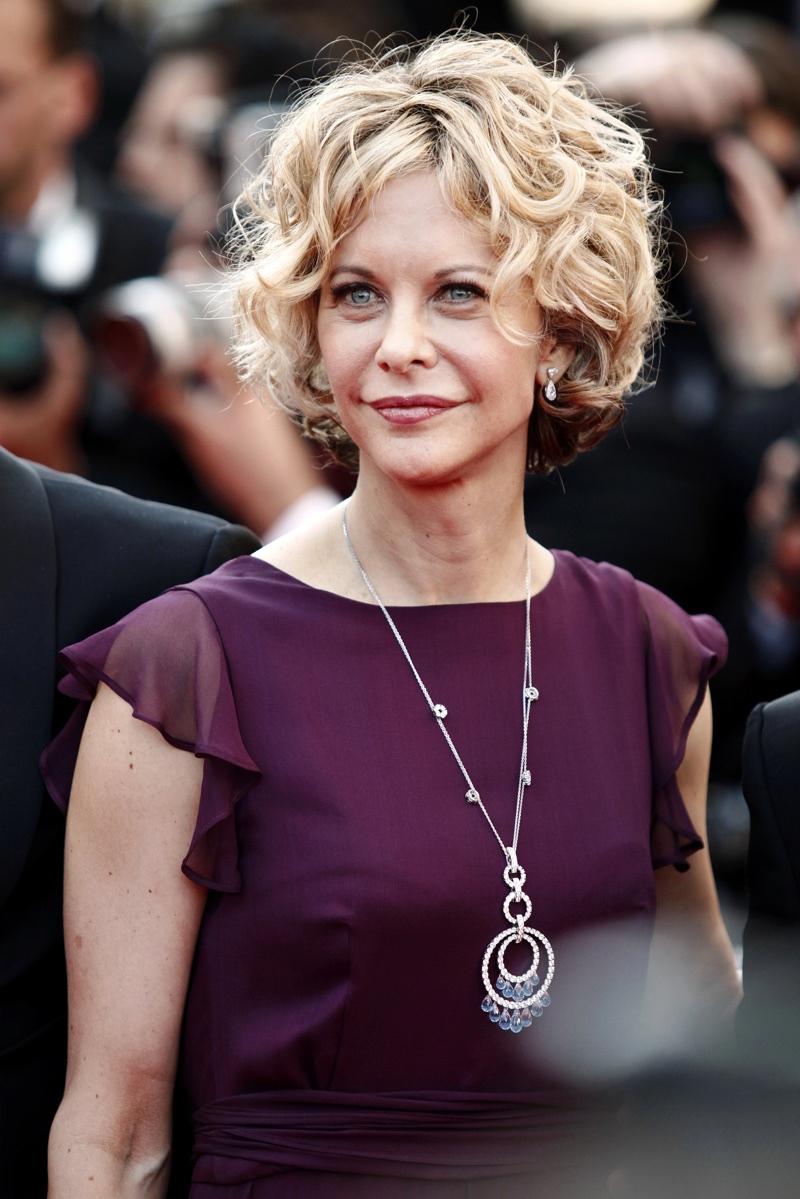
Meg Ryan’s blonde hair was inseparable from her reign as Hollywood’s defining romantic comedy actress through the late eighties and nineties, a tousled, approachable look that made her feel like someone you already knew. From the curly warmth she brought to When Harry Met Sally (1989) to the shorter, sunlit crop of You’ve Got Mail (1998), her hair shifted just enough between films to feel current while never losing the quality that made audiences return.

Meg Ryan is the defining romantic comedy actress of her generation, a performer whose timing, warmth, and gift for physical comedy made her the most bankable star in the genre across a decade when the genre was at its commercial peak. She broke through with When Harry Met Sally (1989) and went on to a career that includes Joe Versus the Volcano (1990), Sleepless in Seattle (1993), French Kiss (1995), and You’ve Got Mail (1998). Her three collaborations with Tom Hanks produced two of the most beloved romantic comedies ever made and cemented her as the actress the nineties turned to when a film needed to be liked on sight.

Cate Blanchett

Cate Blanchett s_bukley / Deposit Photos

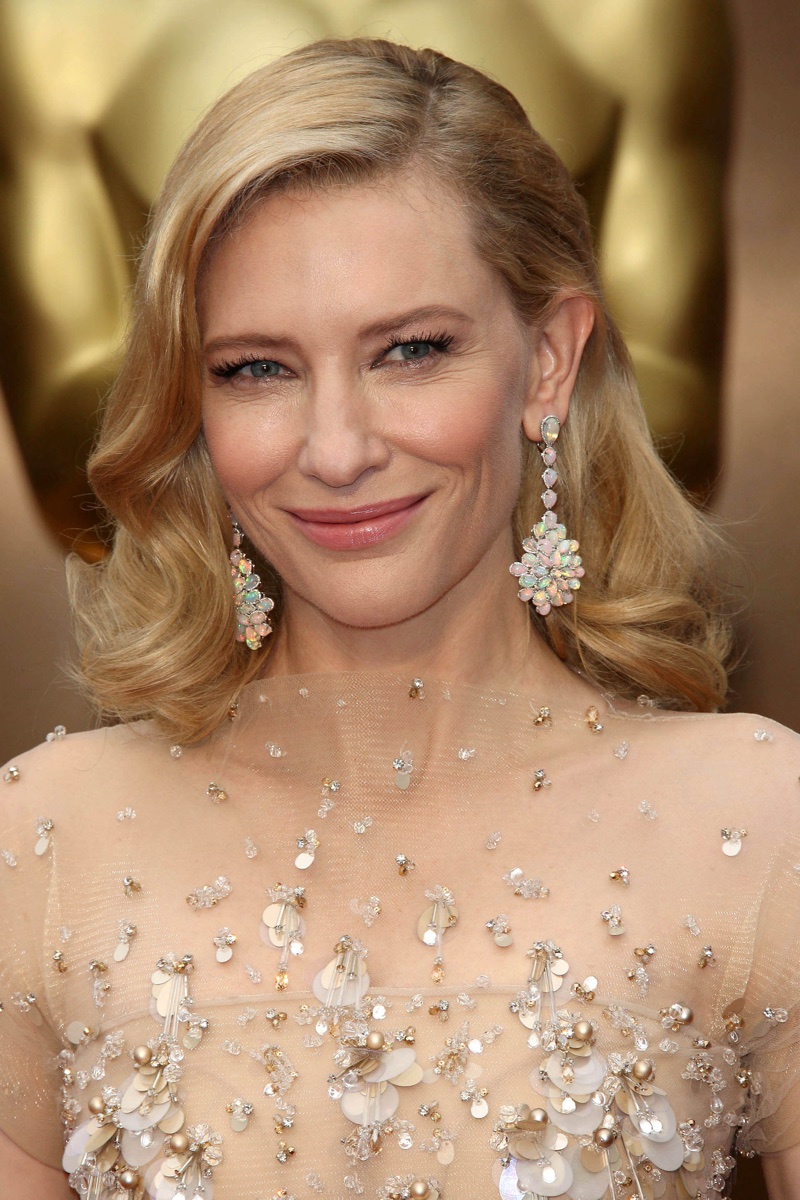
Cate Blanchett’s blonde hair has always carried a particular kind of coolness, an otherworldly precision that suits an actress who has never quite looked like she belongs to any specific era. From the ethereal, silver-touched waves she wore as Galadriel in The Lord of the Rings (2001) to the sharp, aristocratic blonde of Blue Jasmine (2013) and the warm, sensual look she brought to Carol (2015), her hair has shifted in register across her career.

Cate Blanchett is the most decorated and formally commanding actress working in international film, a performer whose technical range and willingness to inhabit almost any register of human experience have made her the first name serious directors reach for when a role demands something beyond what most actors can access. She broke through with Elizabeth (1998) and went on to a career that includes The Talented Mr. Ripley (1999), The Aviator (2004), Notes on a Scandal (2006), Blue Jasmine (2013), and Tár (2022), winning two Academy Awards along the way. Her sustained presence across prestige drama, blockbuster franchise work, and arthouse cinema across three decades places her in a category shared by almost no one else working today.

Reese Witherspoon

Reese Witherspoons_bukley / Deposit Photos

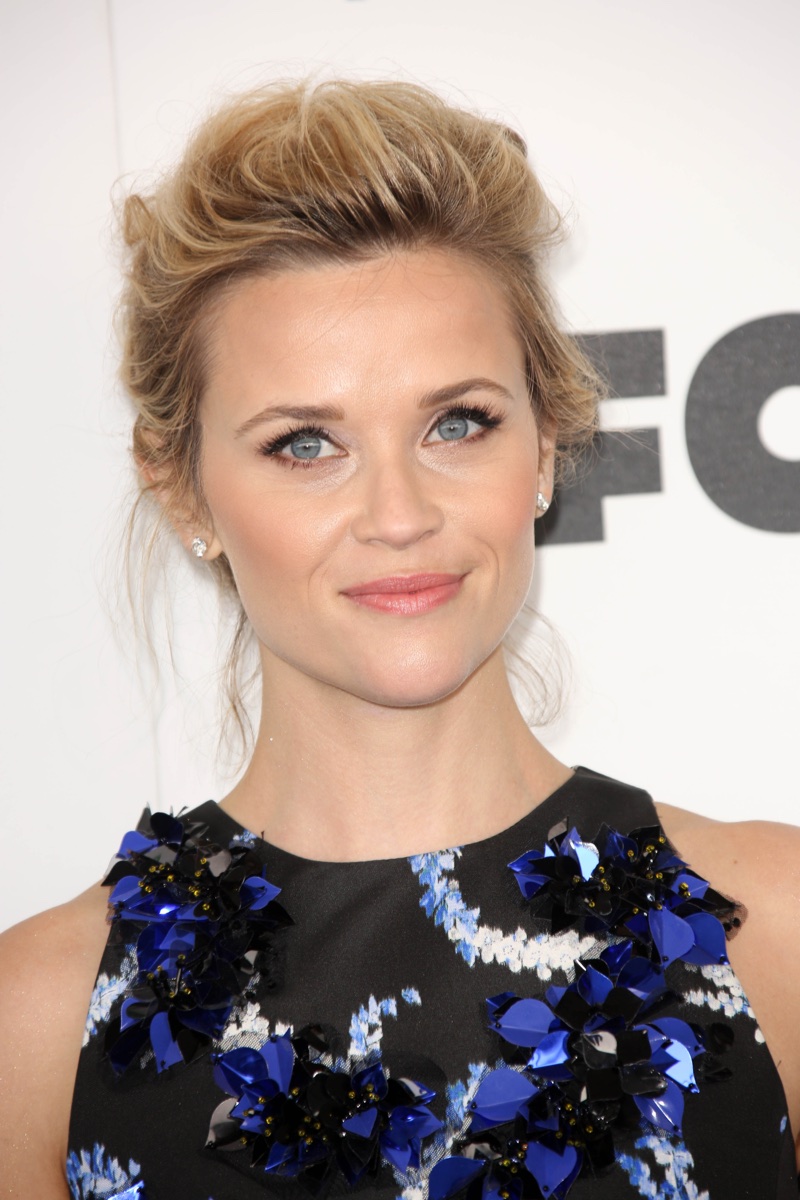
Reese Witherspoon’s blonde hair has been one of the most strategically deployed looks in Hollywood, shifting between weaponized perkiness and something far more complicated. From the high-ponytailed brightness of Legally Blonde (2001) to the warm ease of Sweet Home Alabama (2002) to the weathered, unwashed look she carried through Wild (2014), her hair has tracked the full arc of a career built on subverting what audiences expect.

Reese Witherspoon is one of the most commercially astute and dramatically versatile actresses of her generation, a performer who parlayed a string of defining nineties and early two thousands roles into a production empire that has reshaped the landscape for female-driven stories in Hollywood and on streaming. She broke through with Legally Blonde (2001) and went on to a career that includes Sweet Home Alabama (2002), Walk the Line (2005), Wild (2014), and Big Little Lies (2017), winning the Academy Award for Best Actress for Walk the Line. Her production company Hello Sunshine has generated more opportunities for women in front of and behind the camera than almost any individual actress-led initiative in the industry’s recent history.

Kate Hudson

Kate Hudsoneverett225 / Deposit Photos

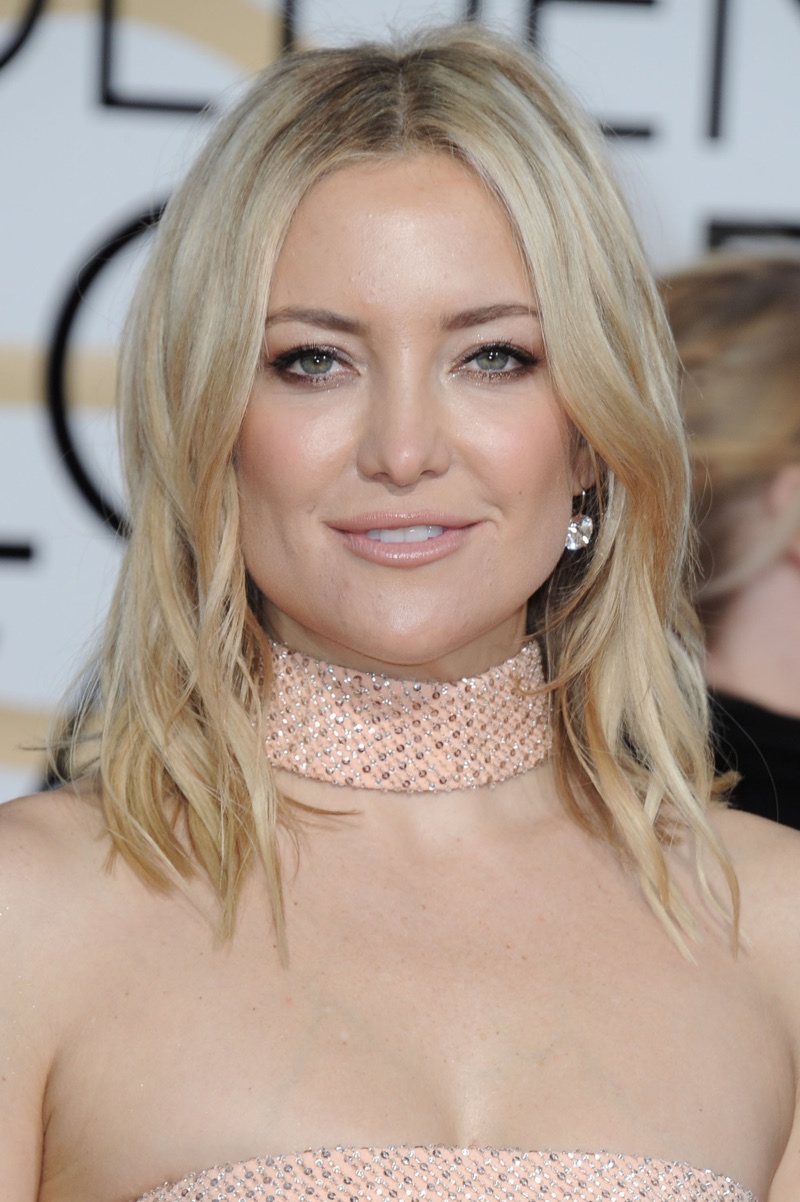
Kate Hudson’s blonde hair announced itself in Almost Famous (2000) and had a perpetually sun-kissed look that suited an actress who made effortless charm seem like a legitimate dramatic strategy. From the flowing, festival-ready waves she wore as Penny Lane to the sleeker versions she carried through How to Lose a Guy in 10 Days (2003) and Fool’s Gold (2008), her hair became the visual shorthand for a breezy, California-inflected femininity.

Kate Hudson is one of the most effortlessly charming screen presences to emerge from the early two thousands, a performer whose debut announced a major talent and whose subsequent career choices have kept audiences debating what she might have done with a different slate of material. She broke through with Almost Famous (2000), earning an Academy Award nomination for Best Supporting Actress, and went on to a career that includes How to Lose a Guy in 10 Days (2003), Bride Wars (2009), and Glass Onion (2022). Her decades-long dominance of the romantic comedy genre made her one of the most commercially reliable actresses of her generation, and her return to dramatic work reminded everyone what the Almost Famous nomination had originally promised.