Famous Actors with Blue Eyes Leading Hollywood Today

Actors with blue eyes have always held a particular power over cinema audiences. There is something about the way the camera responds to that shade, pulling focus and holding it in a way that other eye colors rarely match. It photographs with a clarity that makes close-ups feel more intimate, and confrontations feel more charged.

Best Actors with Blue Eyes

Cillian Murphy’s pale, glacial shade unsettles. Chris Pine’s deep, saturated blue commands. Daniel Craig’s flint-like cool threatens. Each actor has found a different way to let the camera do its work, and the results across their careers suggest that blue eyes are never just a physical attribute. They are a dramatic instrument, and the best of them know exactly how to play it.
Benedict Cumberbatch

Benedict CumberbatchImage Press Agency / Deposit Photos

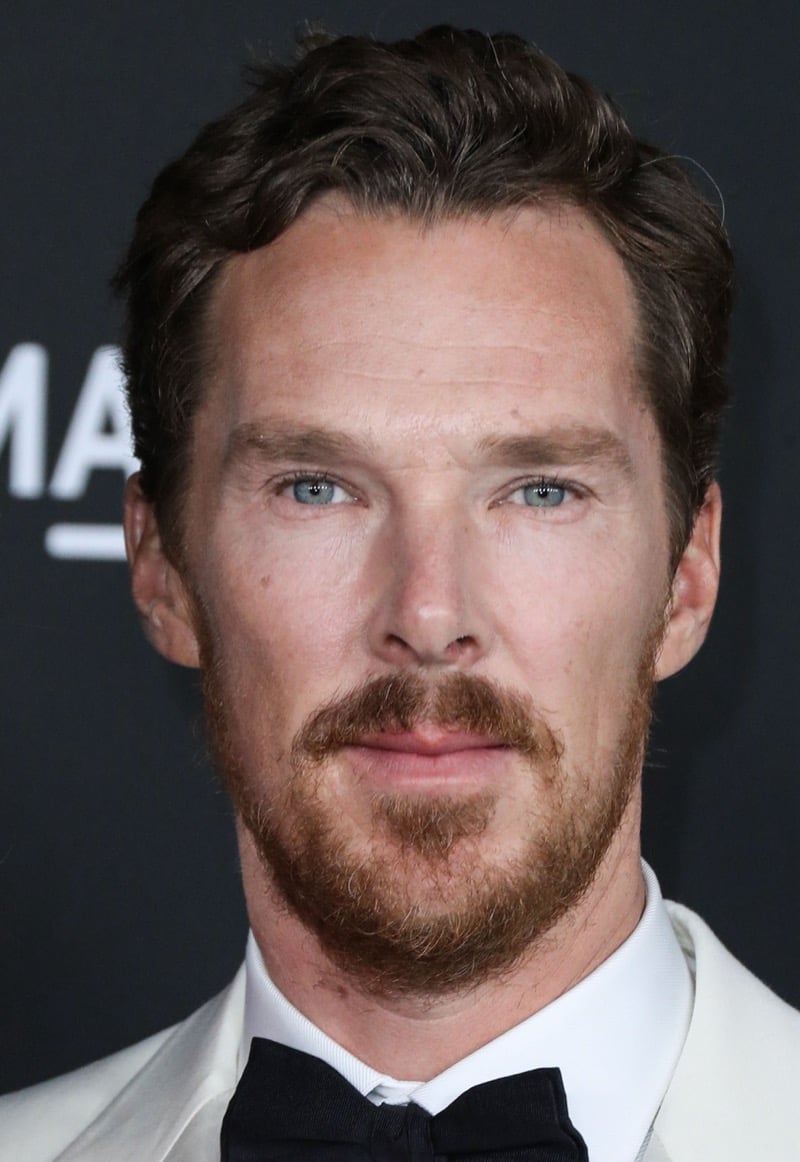
Benedict Cumberbatch’s eyes are a blue-green that shifts toward grey depending on the light, an unusual combination that suits an actor whose best roles sit in morally ambiguous territory. As Sherlock Holmes they projected cold calculation. As Doctor Strange they carried something stranger and more searching.

Benedict Cumberbatch is one of the most distinctive British actors of his generation, a performer whose intellectual intensity translated from stage and television into genuine global stardom. His title role in the BBC series Sherlock (2010) made him a household name, and he carried that momentum into a film career spanning Star Trek Into Darkness (2013), 12 Years a Slave (2013), Doctor Strange (2016), Avengers: Infinity War (2018), and The Power of the Dog (2021), which earned him an Academy Award nomination for Best Actor. He remains one of the few actors working today who moves between prestige drama, blockbuster franchise work, and Shakespeare with equal credibility.

Brad Pitt

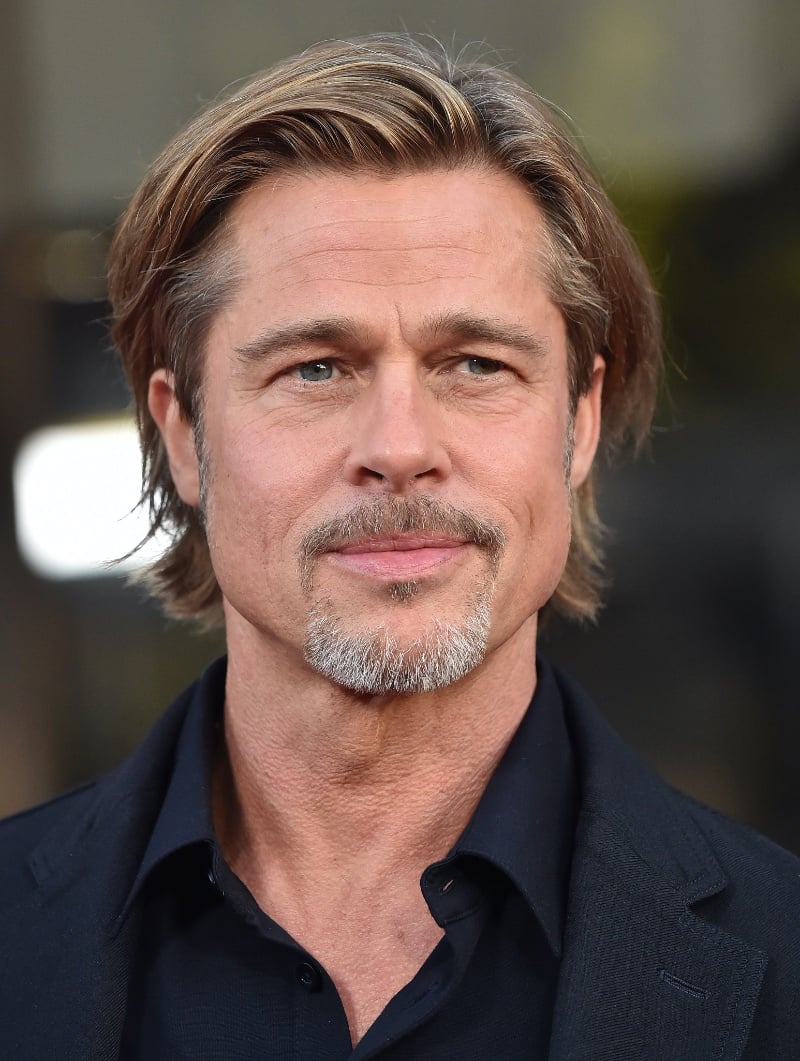
Brad PittDFree / Shutterstock.com

Brad Pitt’s light blue eyes sit in a grey-blue range that shifts depending on the light, cooler and more steely in dramatic close-ups, warmer and more inviting in the sun-drenched settings his early roles favored. Since Thelma & Louise (1991), directors have understood that putting those eyes in close-up is never a neutral choice, and they have used that knowledge accordingly.

Brad Pitt is one of the most recognizable actors of his generation, a performer who used movie-star looks as a launching pad for four decades of genuinely adventurous work. He broke through with Thelma & Louise (1991) and built a career that spans Fight Club (1999), Troy (2004), The Curious Case of Benjamin Button (2008), Inglourious Basterds (2009), Moneyball (2011), and Once Upon a Time in Hollywood (2019), which won him the Academy Award for Best Supporting Actor. He has spent much of his career choosing directors and collaborators over franchise safety, and the filmography reflects that consistency of judgment.

Bradley Cooper

Bradley CooperImage Press Agency / Deposit Photos

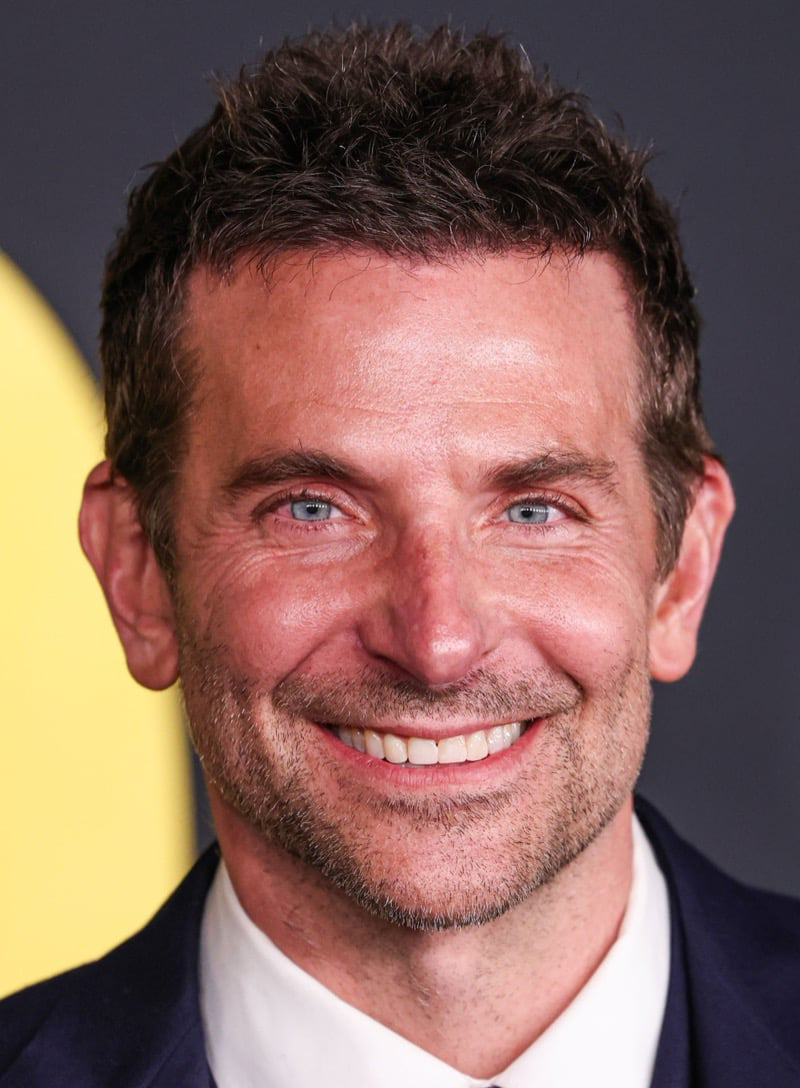
Bradley Cooper’s eyes are a vivid, piercing blue that photograph with an intensity few actors can match, the kind of color that reads clearly even in a crowded frame. They have been central to his leading man appeal since The Hangover (2009), but it is in closer, more demanding work like Silver Linings Playbook (2012) and A Star Is Born (2018) where they do their most interesting work, projecting a volatility that keeps audiences slightly off balance.

Bradley Cooper is one of the most driven actors of his generation, a performer who rebuilt his career from commercial star into serious Oscar contender through sheer force of commitment. He broke through with The Hangover (2009) and went on to earn eight Academy Award nominations across Silver Linings Playbook (2012), American Hustle (2013), American Sniper (2014), A Star Is Born (2018), which he also directed, and Maestro (2023), where he played Leonard Bernstein in a performance that consumed years of preparation. That nomination record places him among the most decorated actors of his era without a win, a fact that seems to fuel him rather than define him.

Chris Evans

Chris EvansImage Press Agency / Deposit Photos

Chris Evans has bright, clear blue eyes that sit at the warmer end of the spectrum, a shade that suited Steve Rogers from the moment he first appeared in Captain America (2011) and made the character’s fundamental decency read as genuine rather than naive. They are the kind of eyes that project openness by default, which is precisely why his against-type turns in films like Knives Out (2019) land with such force.

Chris Evans is one of the defining leading men of his generation, a performer who turned superhero work into something with genuine weight. He broke through with Fantastic Four (2005) and spent the following decade building a filmography that includes Captain America: The First Avenger (2011), The Avengers (2012), Snowpiercer (2013), and Knives Out (2019). His nine-year run as Steve Rogers across the Marvel Cinematic Universe made him one of the most recognizable stars in Hollywood history.

Chris Hemsworth

Chris Hemsworthfredduval / Deposit Photos

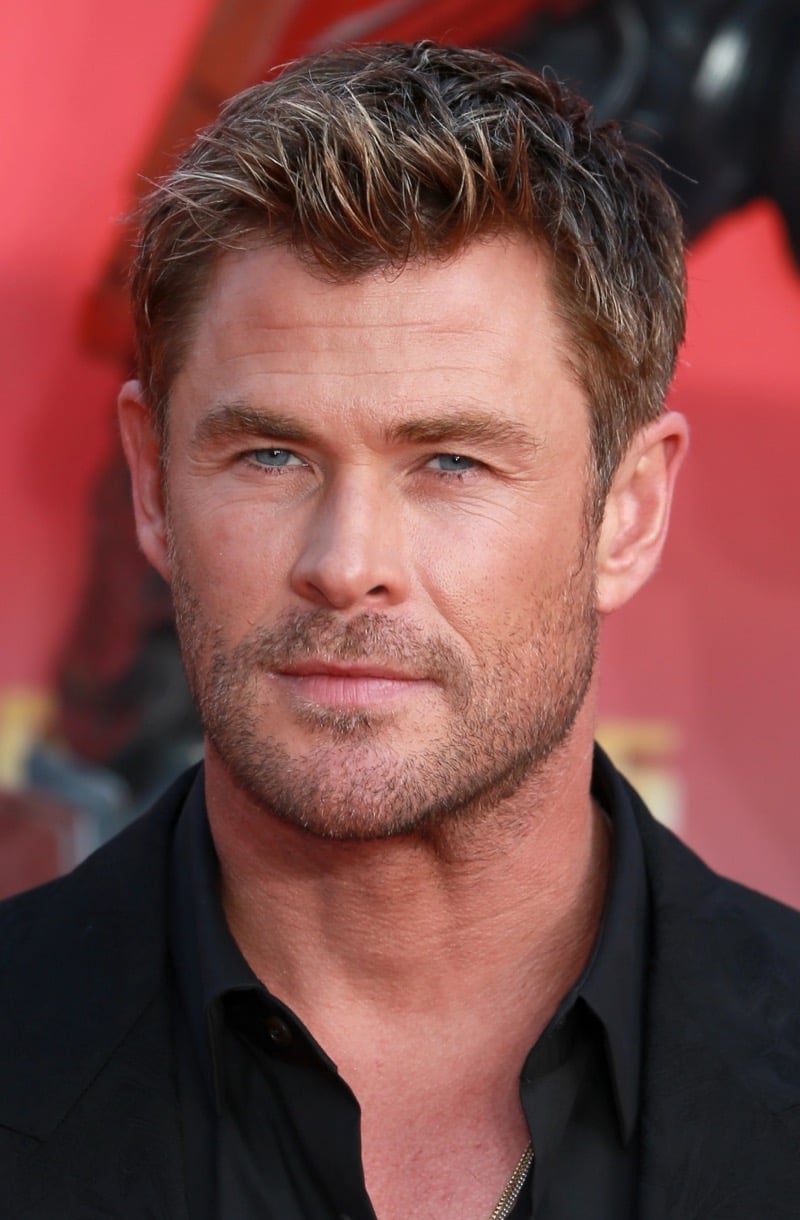
Chris Hemsworth’s eyes are a clear, oceanic blue that photograph with the kind of brightness that suits an actor built for widescreen. They have been part of his Thor identity since 2011, projecting warmth and humor in equal measure, and in quieter roles like Rush (2013) they carry a surprising emotional directness that the action work does not always ask of him.

Chris Hemsworth is the rare action star whose comedic timing proved as sharp as his physical presence. He broke into global awareness as the title character in Thor (2011) and expanded his range across Rush (2013), In the Heart of the Sea (2015), Bad Times at the El Royale (2018), Extraction (2020), and Furiosa (2024). His villainous turn as Dementus in Furiosa signaled a performer willing to step outside a franchise identity that could have held him indefinitely.

Chris Pine

Chris PineImage Press Agency / Deposit Photos

Chris Pine has some of the most vividly blue eyes in Hollywood, a deep, saturated shade that photographs with an almost electric clarity. They gave James Kirk an immediate authority in Star Trek (2009) that the character’s cockiness alone could not have produced, and in more grounded work like Hell or High Water (2016), they carry a weariness that makes the dramatic weight land cleanly.

Chris Pine is one of the most underrated leading men of his generation, a performer with the classical good looks and comic timing of a studio-era star who has spent his career finding projects sharp enough to deserve both. He broke through with Star Trek (2009) and went on to a career that includes This Means War (2012), Hell or High Water (2016), Wonder Woman (2017), and Outlaw King (2018). His work in Hell or High Water stands as the clearest argument for what he can do when stripped of franchise armor and handed a script with real weight behind it.

Cillian Murphy

Cillian MurphyImage Press Agency / Deposit Photos

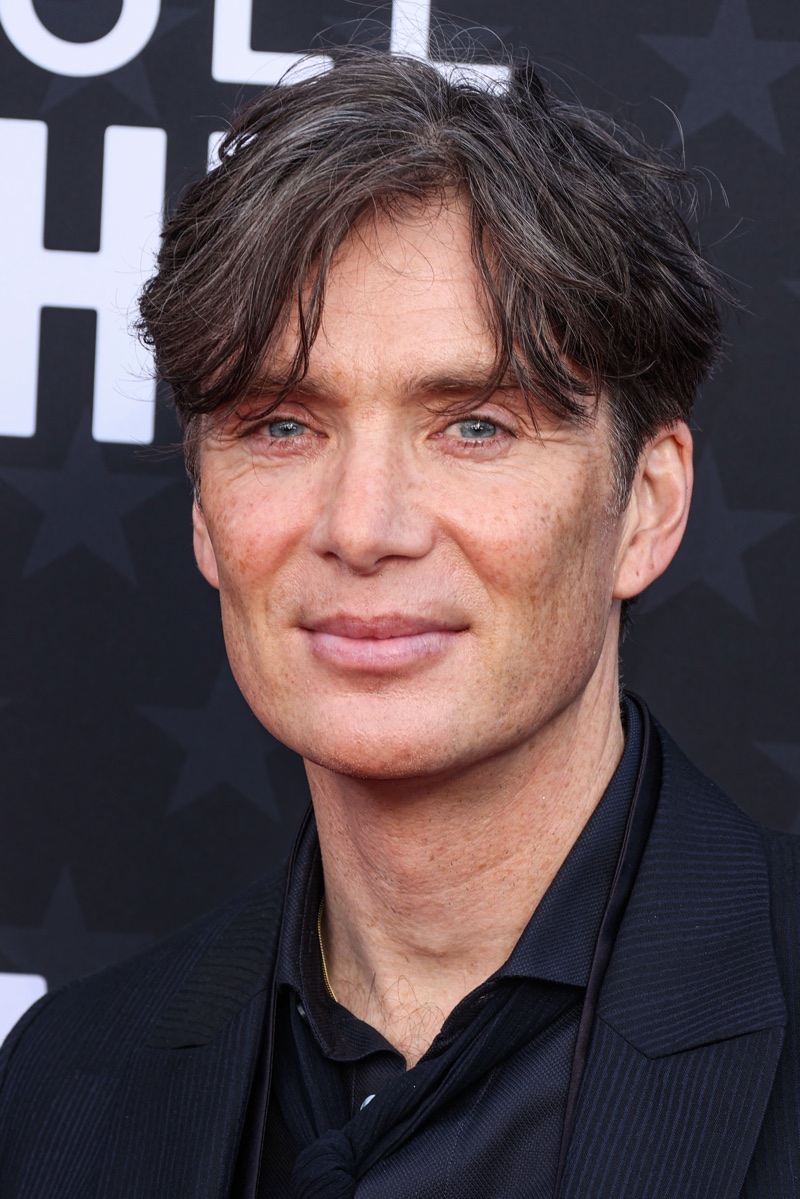
Cillian Murphy’s eyes are a pale blue that sit closer to ice than sky, an unusual shade that has made him one of the most visually striking actors of his generation. As Tommy Shelby in Peaky Blinders, they became something close to a cultural fixation, and in Oppenheimer (2023) Christopher Nolan returned to them repeatedly in close-up.

Cillian Murphy is one of the most hypnotic actors working, an Irish performer whose intensity makes a scene feel dangerous and alive. He broke through with 28 Days Later (2002) and went on to a filmography that includes The Wind That Shakes the Barley (2006), Inception (2010), Dunkirk (2017), and Oppenheimer (2023), for which he won the Academy Award for Best Actor. His four-film partnership with Christopher Nolan and a decade as Tommy Shelby in Peaky Blinders confirmed him as one of the defining performers of his generation.

Daniel Craig

Daniel CraigPopularImages / Deposit Photos

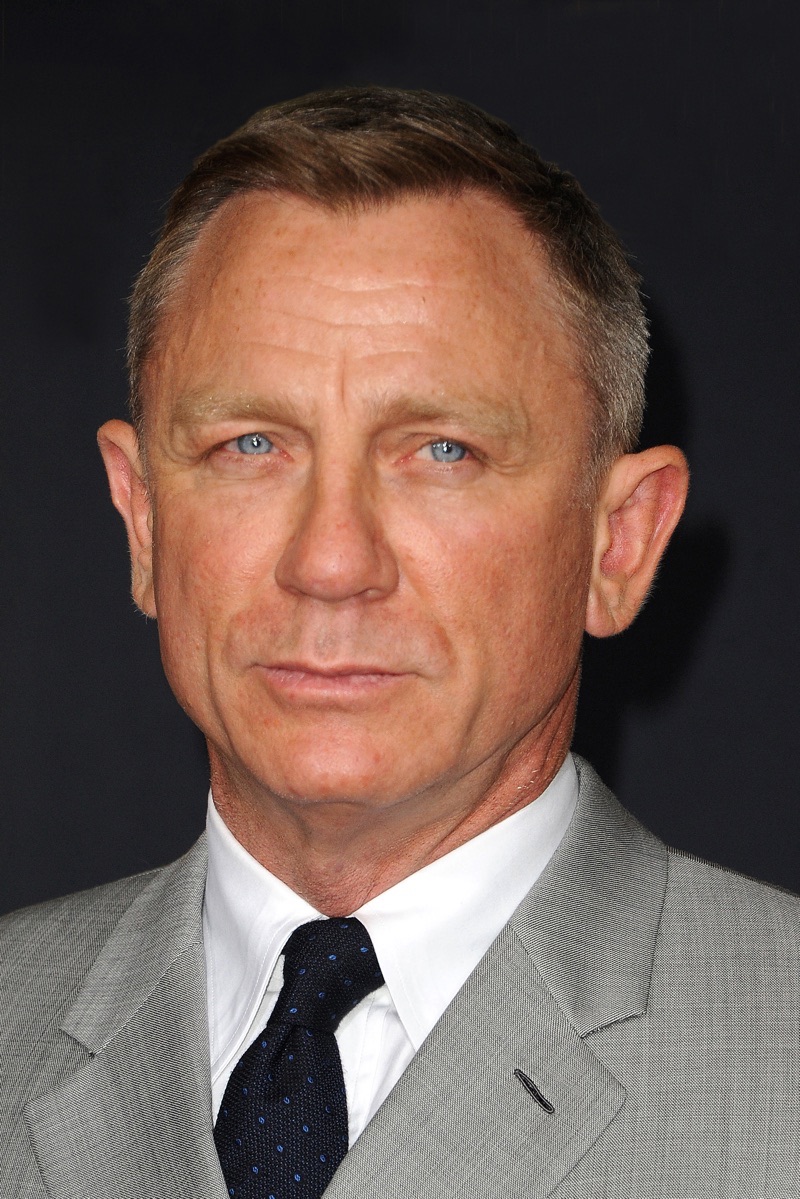
Daniel Craig’s eyes are a cool blue that photograph with a flint-like quality perfectly suited to the cold efficiency he brought to James Bond. They project threat and intelligence in the same frame, and Casino Royale (2006) understood this immediately, building close-ups around them in a way that made his Bond feel genuinely dangerous from the first scene.

Daniel Craig is the actor who stripped James Bond down to muscle and damage and made the franchise feel urgent again. He broke through with Layer Cake (2004) and went on to a career that spans Casino Royale (2006), The Girl with the Dragon Tattoo (2011), Skyfall (2012), and Knives Out (2019). His sixteen-year run as 007 stands as the most dramatically ambitious era in the Bond series, and his exit in No Time to Die (2021) drew the kind of audience grief reserved for characters who felt genuinely inhabited.

Ewan McGregor

Ewan McGregorPopularImages / Deposit Photos

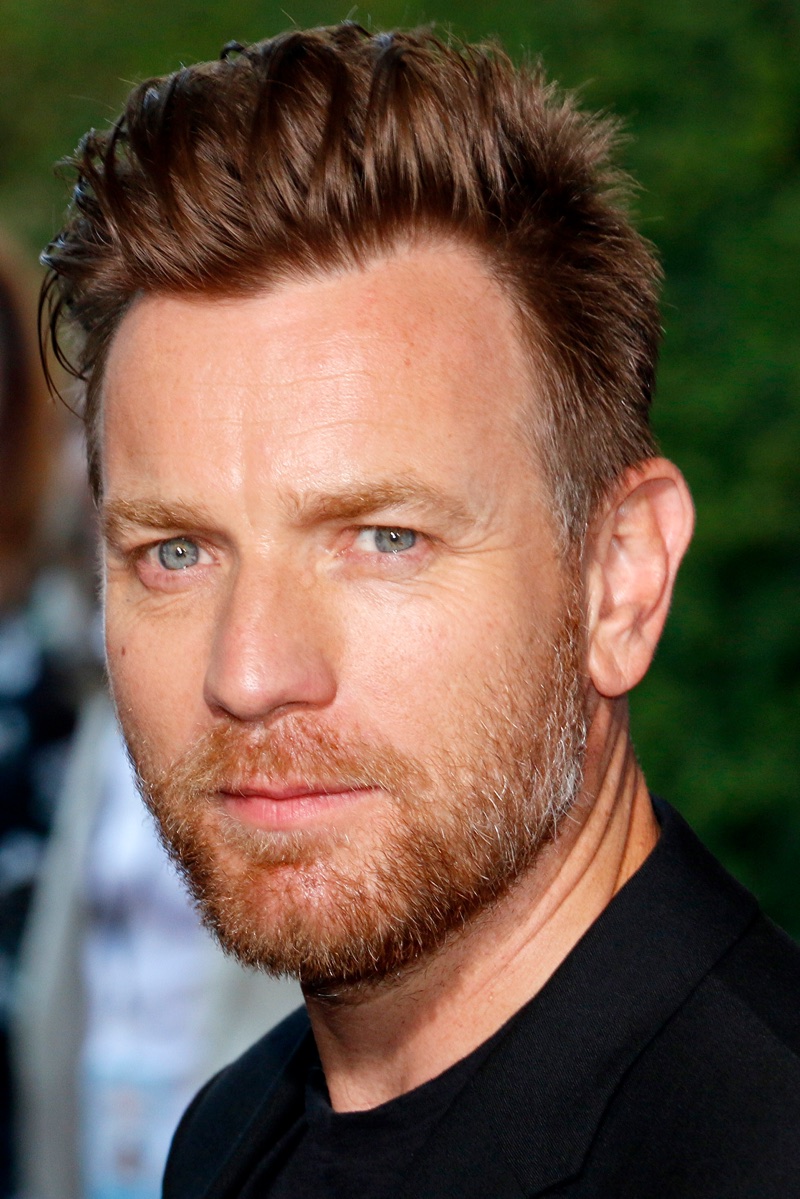
Ewan McGregor has warm blue eyes that project openness and likability, a quality that has made him one of the most naturally appealing actors of his generation. They suit the romantic leads and idealists he has gravitated toward, from the starry-eyed optimism of Moulin Rouge (2001) to the youthful conviction he brought to Obi-Wan Kenobi, and they carry enough vulnerability to make even his most troubled characters feel sympathetic.

Ewan McGregor is one of the most effortlessly watchable actors to emerge from cinema in the nineties, a performer who has sustained a career across blockbusters, musicals, prestige drama, and independent film without ever seeming to strain. He broke through with Shallow Grave (1994) and went on to a career that includes Trainspotting (1996), Moulin Rouge (2001), and his Emmy-winning dual performance in Fargo (2017). His years as Obi-Wan Kenobi across the Star Wars prequel trilogy and the 2022 Disney+ series have given him a global fan base that has never overshadowed his reputation among serious film fans.

Henry Cavill

Henry CavillJean_Nelson / Deposit Photos
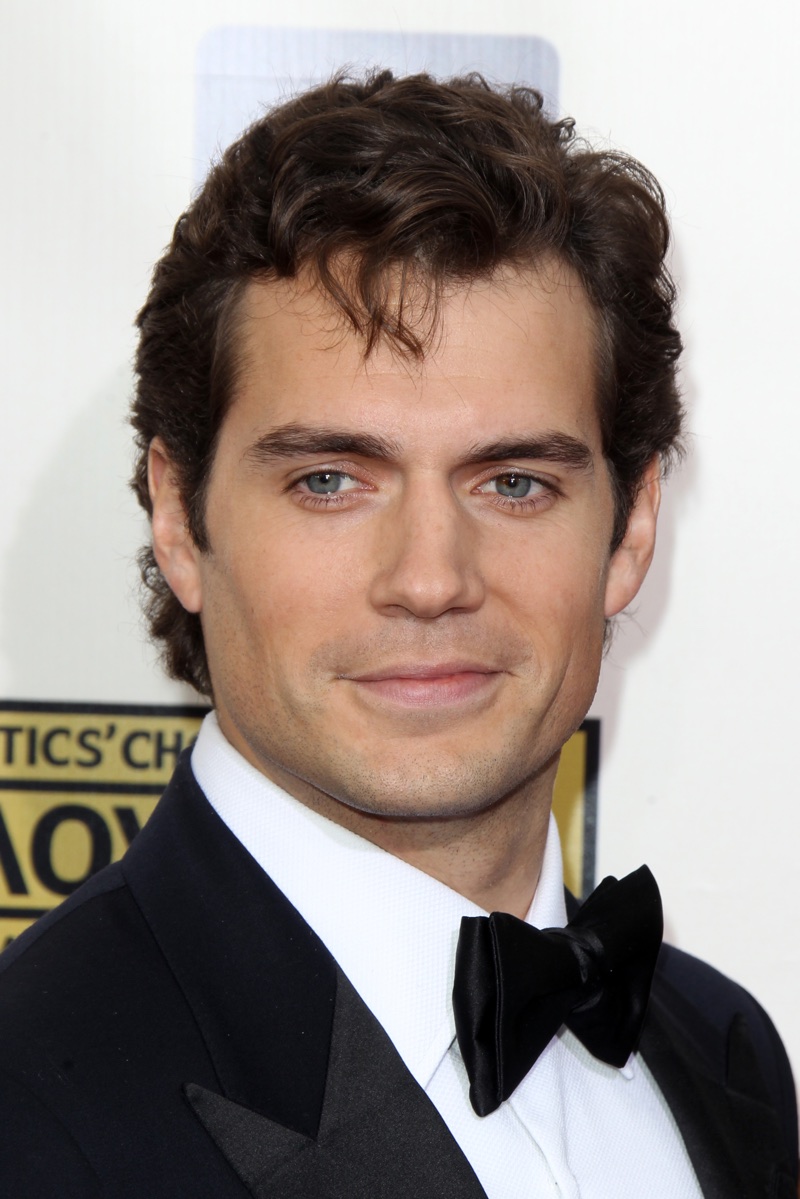
Henry Cavill’s eyes are a striking blue-grey that photograph with a cool, chiseled clarity matching his overall screen presence. They gave Superman a necessary warmth in Man of Steel (2013) that kept the character human despite the scale of everything around him, and as Geralt in The Witcher, they sharpened into something colder and more calculating.

Henry Cavill is the rare performer whose physical scale and classical good looks arrived well ahead of the roles worthy of them. He broke through on television with The Tudors (2007) and went on to a film career that includes Man of Steel (2013), The Man from U.N.C.L.E. (2015), and Mission: Impossible Fallout (2018). His years as Geralt of Rivia in The Witcher confirmed him as one of the most-watched leading men on streaming, even as Hollywood has been slow to match him with material that uses everything he offers.

Hugh Grant

Hugh GrantImage Press Agency / Deposit Photos

Hugh Grant’s eyes are a warm, expressive blue that have been central to his romantic comedy appeal since Four Weddings and a Funeral (1994), projecting a self-deprecating charm that made his floppy-haired everyman persona feel genuine. They crinkle at the corners when he deploys his signature stammering charm, which is exactly why audiences forgave his characters almost anything.

Hugh Grant is one of the most intelligent comic performers British cinema has produced, an actor who spent a decade being underestimated as a romantic lead before revealing, with considerable satisfaction, that the self-awareness had been there all along. He broke through with Four Weddings and a Funeral (1994) and went on to a career that includes Notting Hill (1999), About a Boy (2002), and The Gentlemen (2019). His late-career reinvention as a villain and character actor has been one of the more enjoyable second acts in recent memory.

Jake Gyllenhaal

Jake Gyllenhaals_bukley / Deposit Photos

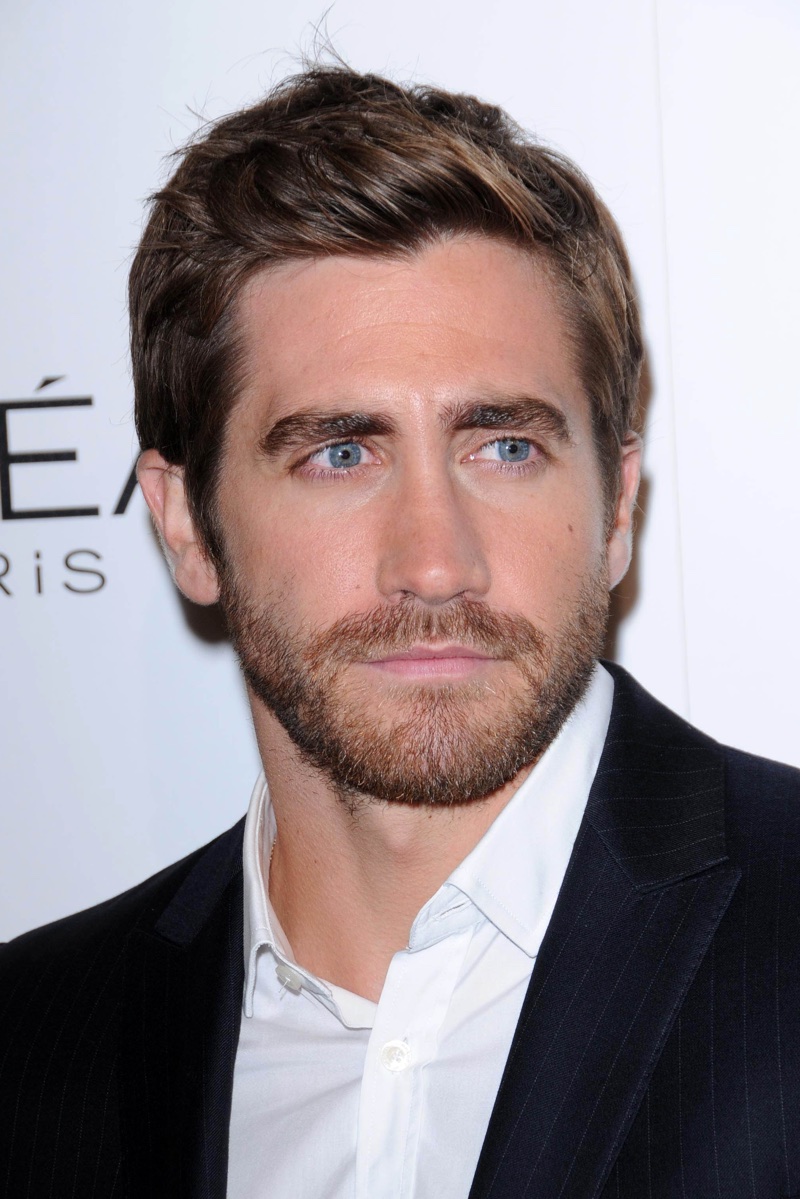
Jake Gyllenhaal has intensely blue eyes with a searching, unsettled quality that has made him one of the most compelling actors of his generation. They project intelligence and instability in equal measure, and in Nightcrawler (2014), they became genuinely unnerving, wide and unblinking in a way that made Lou Bloom feel like someone operating just outside normal human frequency.

Jake Gyllenhaal is one of the most restless and risk-hungry actors of his generation, a performer who has spent two decades treating mainstream access as a resource to fund increasingly strange and demanding choices. He broke through with Donnie Darko (2001) and went on to a career that includes Brokeback Mountain (2005), Zodiac (2007), Prisoners (2013), and Nightcrawler (2014). His Oscar nomination for Brokeback Mountain arrived early and undersold him, and the work he has done since represents some of the most unsettling and committed screen acting of the past decade.