Famous Brunette Actresses Making a Mark on Hollywood Today

Brunette actresses have produced some of the most compelling and durable careers in cinema history, and the hair has rarely been incidental to that. Dark tones do particular work on screen, grounding a character in a way that feels immediate and real, giving close-ups a weight that lighter shades sometimes dissolve. But no two actresses have used it the same way.

Best Brunette Actresses

Natalie Portman treats hers as a baseline of composure, then systematically destroys it when a role calls for unraveling. Angelina Jolie lets it sharpen an intensity that is already considerable. The women featured here all understood something that the best performers figure out early: appearance is not separate from the work.
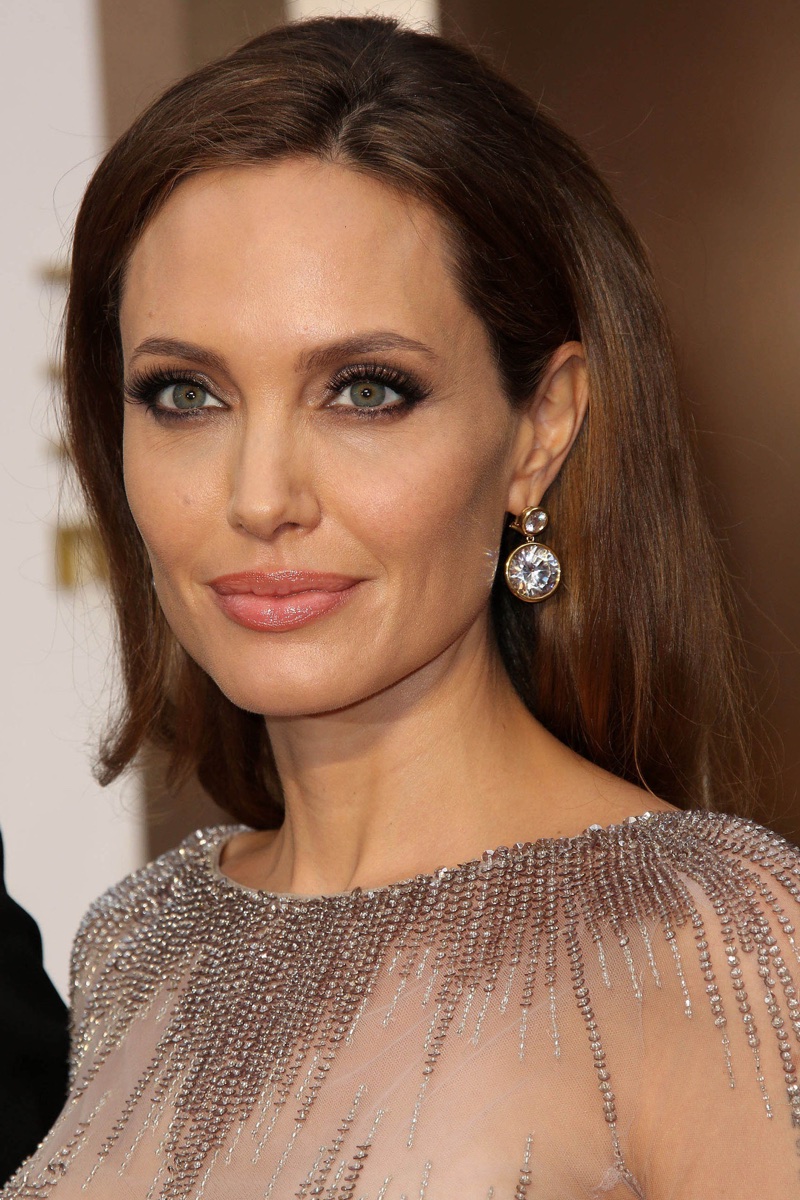
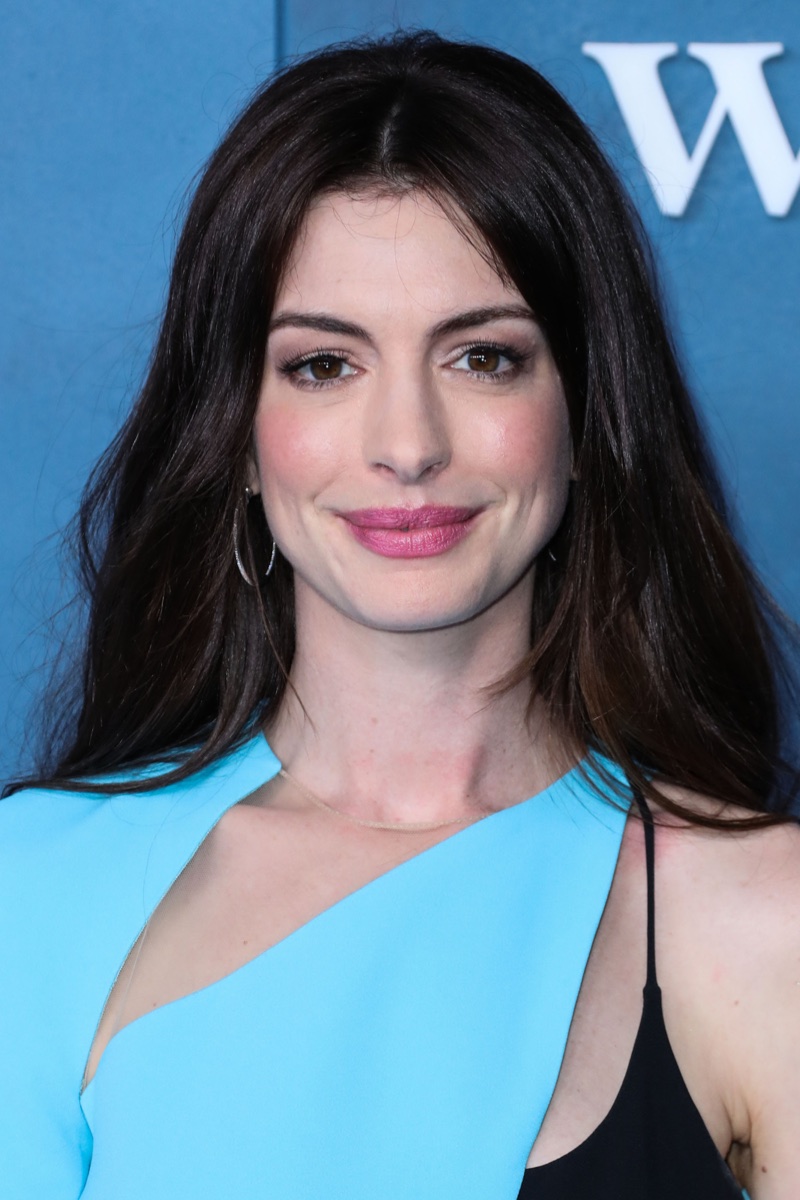
Angelina Jolie

Angelina Jolies_bukley / Deposit Photos

Angelina Jolie’s brunette hair has always matched the intensity she brings to the screen. It suited Lara Croft’s physical authority in Tomb Raider (2001), sleek and controlled in a way that made the action feel credible. In Wanted (2008), it framed her face with a sharp, graphic precision that suited an assassin who treats violence as an art form. The darkness of it has always amplified her screen presence rather than softened it, which is exactly the point.

Angelina Jolie is the closest thing the twenty-first century has produced to an old Hollywood movie star, a performer whose talent, physical presence, and off-screen biography have combined into a cultural weight that very few actors of any generation have carried. She broke through with Girl, Interrupted (1999), winning the Academy Award for Best Supporting Actress, and went on to a career that includes Lara Croft: Tomb Raider (2001), Mr. and Mrs. Smith (2005), Changeling (2008), and Maleficent (2014). Her parallel life as a filmmaker, humanitarian, and one of the most discussed public figures on the planet has run alongside her acting career without diminishing either, which is a feat of sustained attention management that belongs in a category of its own.

Anne Hathaway

Anne HathawayImage Press Agency / Deposit Photos

Anne Hathaway’s brunette hair has shifted in weight and meaning across a career that has consistently used her appearance as a dramatic tool. It projected a wide-eyed, fairy-tale warmth in The Princess Diaries (2001). In The Devil Wears Prada (2006), it transformed alongside her character, moving from frumpy and unpolished to sleek and severe as Andy’s ambition took hold. And in Les Misérables (2012), its removal in the shearing scene hit hard.

Anne Hathaway arrived in Hollywood as a fairy-tale ingenue and spent the following two decades methodically complicating that image into something far more interesting and durable. She broke through with The Princess Diaries (2001) and went on to a career that includes Brokeback Mountain (2005), The Devil Wears Prada (2006), Rachel Getting Married (2008), and Les Misérables (2012), for which she won the Academy Award for Best Supporting Actress. Her ability to hold her own against Meryl Streep in The Devil Wears Prada at twenty-three, and then disappear entirely into the raw damage of Fantine a few years later, mapped a range that the industry took longer than it should have to fully trust.

Lily Collins

Lily CollinsImage Press Agency / Deposit Photos

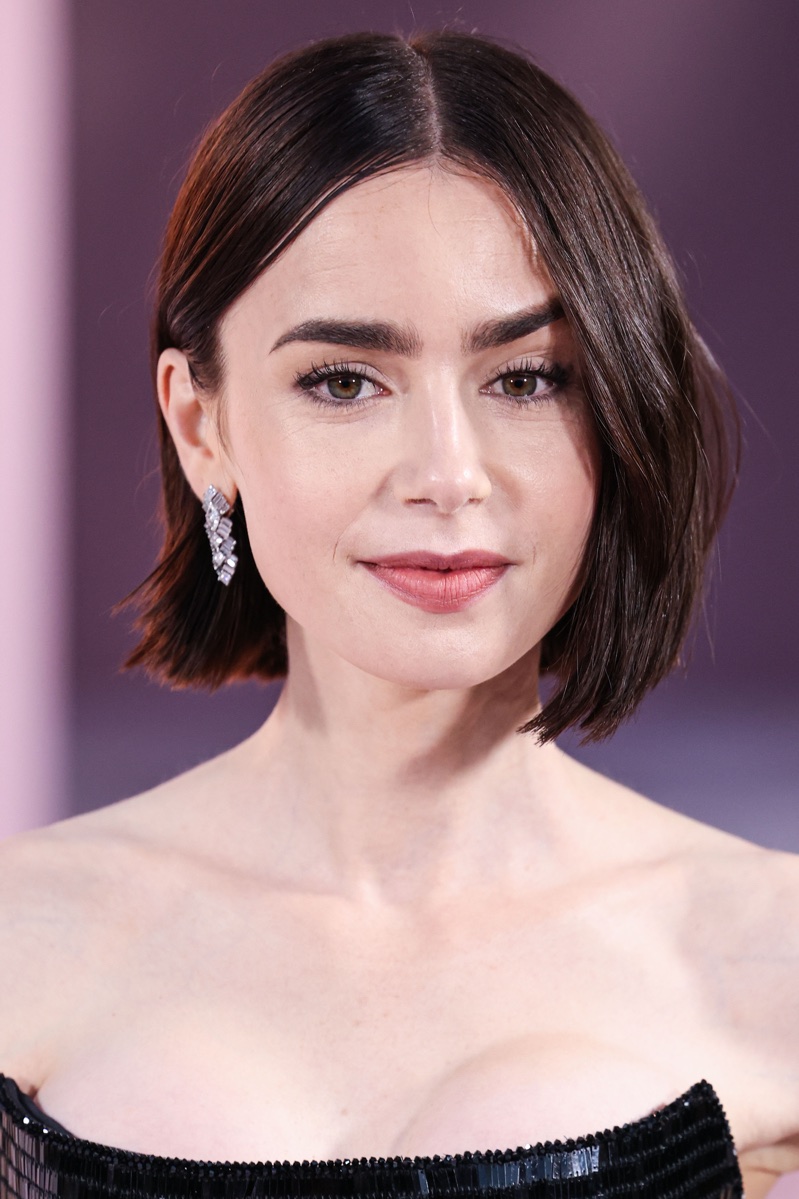
Lily Collins has striking brunette hair that suits an actress whose best roles carry a heightened, almost storybook quality. It gave Snow White a classical fairytale logic in Mirror Mirror (2012), framing her face with a porcelain precision that felt entirely intentional. In Emily in Paris it became part of the character’s signature look, polished and fashion-forward in a way that suited a show built around visual pleasure.

Lily Collins is one of the most classically striking performers of her generation, a British-American actress whose screen presence draws as much from old Hollywood portraiture as it does from contemporary drama. She broke through with Mirror Mirror (2012) and The Mortal Instruments: City of Bones (2013), then expanded her reach with Extremely Wicked, Shockingly Evil and Vile (2019), Mank (2020), and the global hit Emily in Paris (2020). The daughter of Phil Collins, she has assembled a career across prestige film and premium television that stands apart from her famous surname.

Natalie Portman

Natalie Portmaneverett225 / Deposit Photos

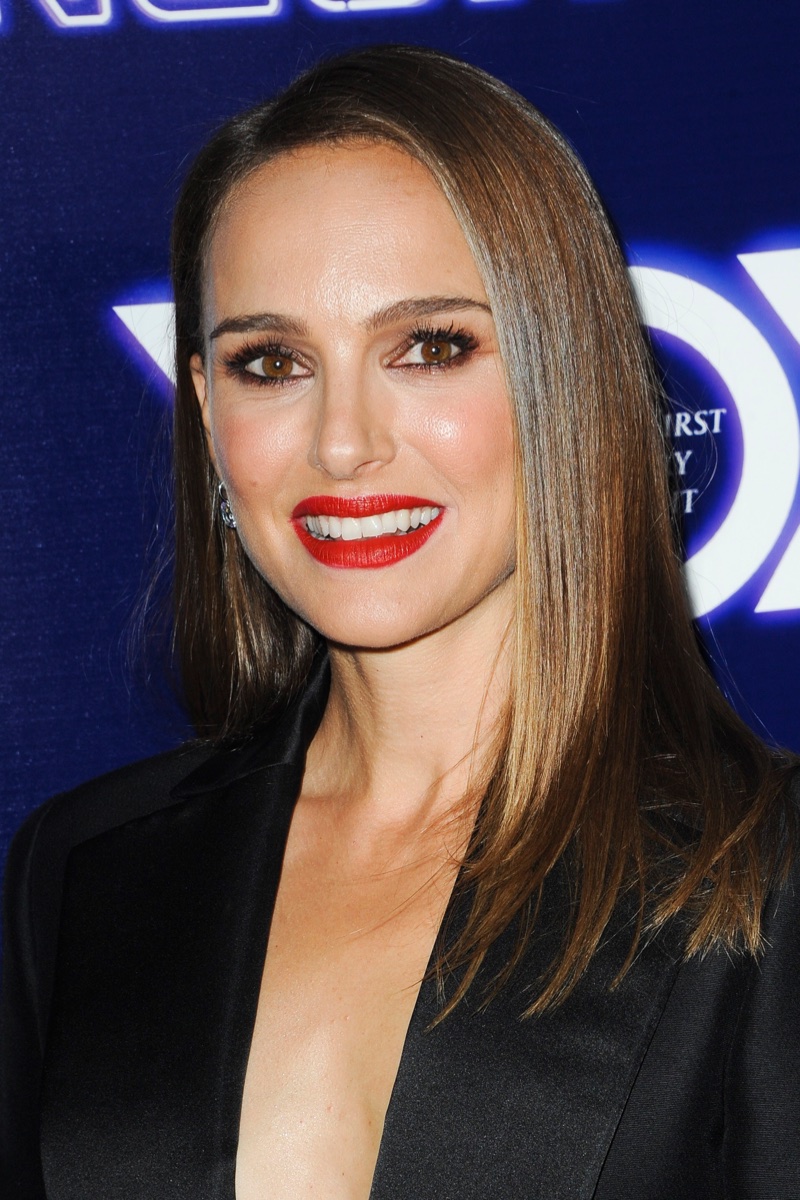
Natalie Portman’s brunette hair has done some of the most varied work of any actress in her generation, shifting in cut and weight to suit a filmography that refuses to stay in one place. It carried a regal, composed quality in Black Swan (2010) before unraveling alongside the character into something loose and desperate. In Leon: The Professional (1994), the short, cropped version gave Mathilda a gamine toughness.

Natalie Portman is the rare actress who arrived as a child prodigy and grew into a performer of genuine and widening depth without the transition ever feeling like an effort. She broke through with Léon: The Professional (1994) and went on to a career that includes Closer (2004), V for Vendetta (2005), Black Swan (2010), and Jackie (2016), winning the Academy Award for Best Actress for Black Swan. Her Harvard education and longstanding commitment to projects with intellectual and political weight have shaped a filmography that reads as a set of considered positions rather than a sequence of commercial opportunities.

Zendaya

ZendayaImage Press Agency / Deposit Photos

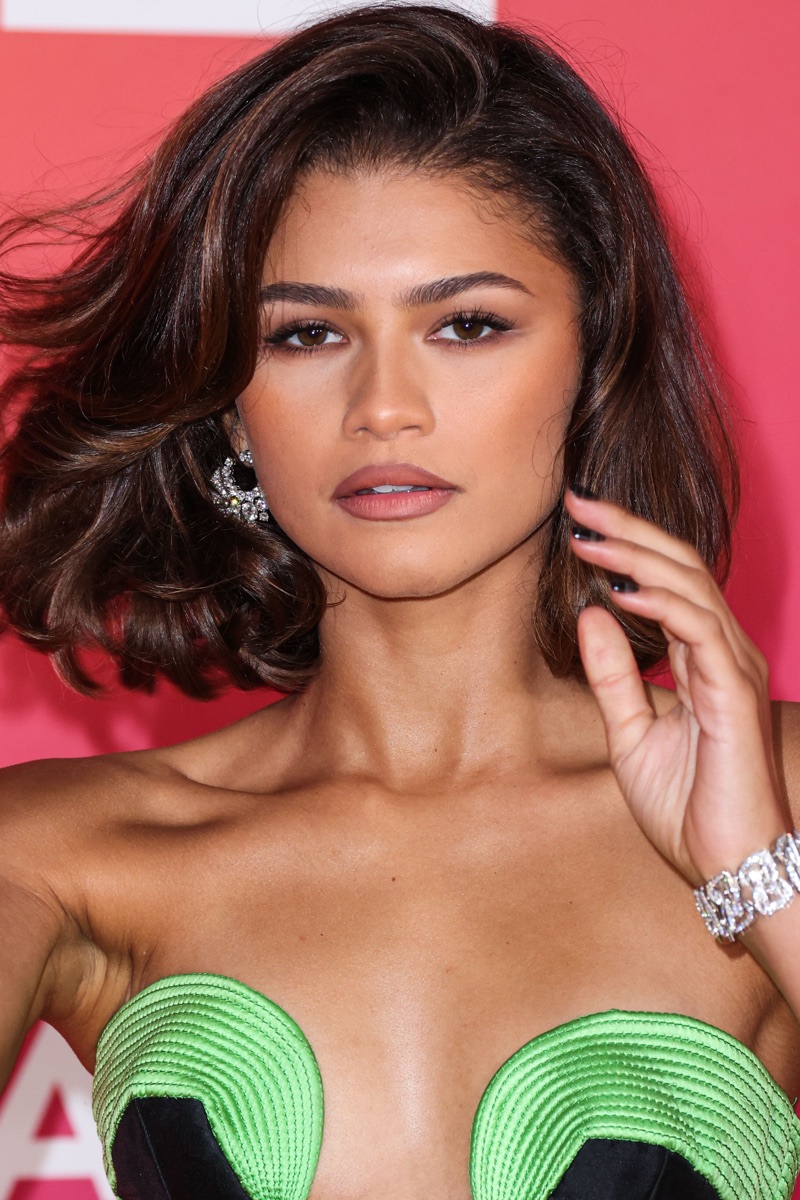
Zendaya’s brunette hair has become one of the most versatile signatures in contemporary Hollywood, shifting between sleek and natural, understated and high-fashion, depending on what the project demands. In Euphoria, it changed almost episode to episode, each variation tracking Rue’s emotional state. In Dune (2021), it was stripped back to something austere and functional, suiting a world where survival matters more than appearance.

Zendaya is the defining actress of her generation, a performer who went from Disney Channel teen comedy to back-to-back Emmy wins before she turned twenty-six. She broke through on Shake It Up (2010) and remade herself entirely with Euphoria (2019), adding Spider-Man: Homecoming (2017), The Greatest Showman (2017), Malcolm & Marie (2021), Dune (2021), and Challengers (2024) along the way. In her twenties, she had already assembled a filmography that most performers spend a lifetime reaching.

Nina Dobrev

Nina DobrevImage Press Agency / Deposit Photos

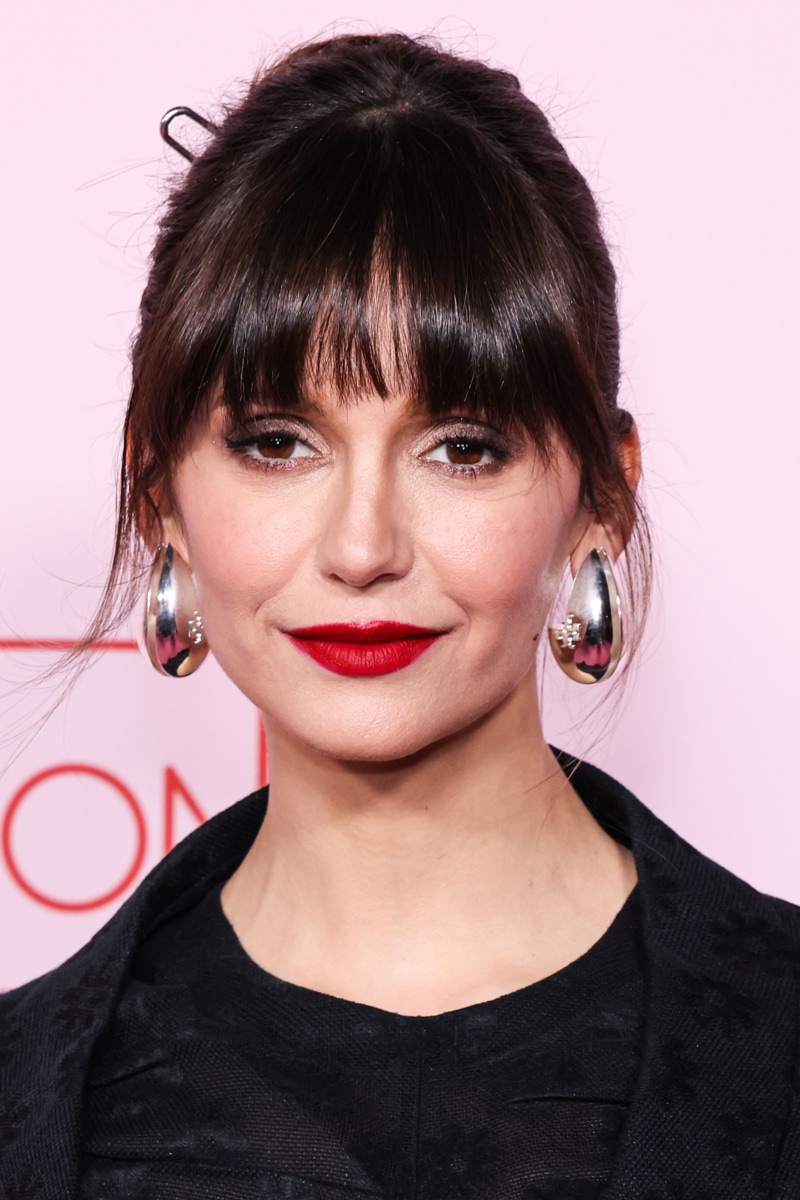
Nina Dobrev’s brunette hair has been central to her screen identity since The Vampire Diaries made her a household name, where it framed her face with a classic, polished quality that suited both the period flashbacks and the contemporary storylines. In Flatliners (2017), it carried a sharper, more modern edge. She has largely stayed true to her natural dark look throughout her career, and it has always suited her on screen.

Nina Dobrev is one of the most compelling actresses to emerge from North American television, with a dramatic range that stretched from supernatural horror to physical comedy before she turned thirty. She broke through on The Vampire Diaries (2009) in dual roles that demanded complete tonal separation, then carried that momentum into film with The Perks of Being a Wallflower (2012), Let’s Be Cops (2014), xXx: Return of Xander Cage (2017), and Love Hard (2021). Her willingness to work across genres has kept her name in both television conversation and mainstream film.