Famous Redhead Actresses Leading Hollywood Today

Redhead actresses have always commanded attention on screen in a way that feels immediate and unavoidable. The color does something particular under studio lighting, lifting features and creating a warmth that the camera responds to instinctively. The effect is never the same twice.

Best Famous Redhead Actresses

Julia Roberts’s auburn waves became one of the most recognizable looks in Hollywood history. Jessica Chastain’s pale, strawberry shade gives her performances a luminosity that makes intensity look effortless. Emma Stone has used hers to anchor everything from sharp comedy to full-scale dramatic transformation.

What the actresses covered here share is an understanding that red hair is never incidental. It arrives in the frame first, sets a tone before a word is spoken, and the best of them have always known exactly how to use that.
Amy Adams

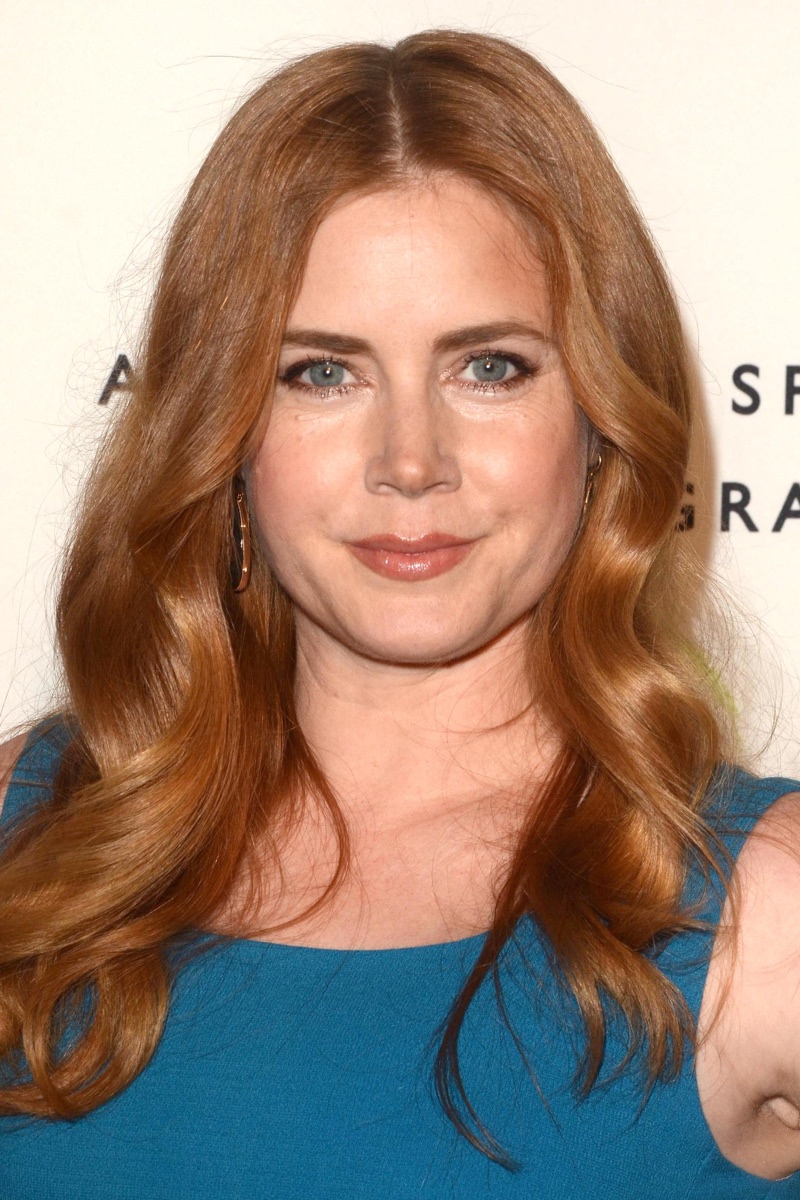
Amy AdamsJean_Nelson / Deposit Photos

Amy Adams’s red hair has been as central to her screen identity as her considerable dramatic range, giving her an approachable radiance that suits the determined, optimistic characters she has gravitated toward throughout her career. In Enchanted (2007), it leaned into full fairytale mode, bright and storybook perfect, and in American Hustle (2013), it took on a more deliberate, constructed quality that suited a woman using every asset at her disposal.

Amy Adams is one of the most consistently nominated actresses in Hollywood history, a performer who built her reputation through a string of wildly different roles without ever repeating herself across any two of them. She broke through with Junebug (2005), earned her first Oscar nomination, and followed it with Enchanted (2007), Doubt (2008), The Fighter (2010), American Hustle (2013), Big Eyes (2014), and Arrival (2016), collecting six Academy Award nominations before winning felt less like a question of whether and more like a question of when. The industry’s failure to hand her a trophy remains one of the more baffling ongoing omissions in awards history.

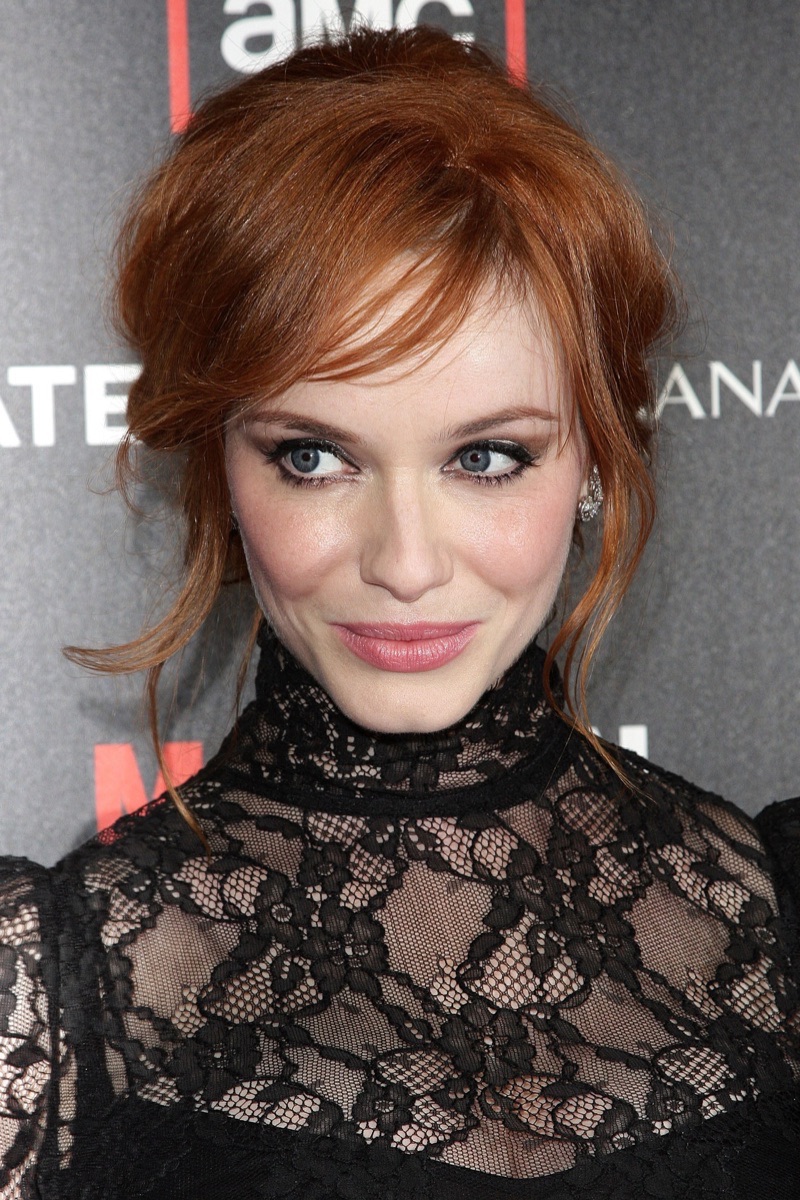
Christina Hendricks

Christina Hendrickseverett225 / Deposit Photos

Christina Hendricks’s vivid red hair became one of the defining visual signatures of prestige television the moment she appeared as Joan Holloway in Mad Men, giving the character a retro glamour that suited a show built around period perfection. Rich and saturated in a way that felt almost theatrical, it amplified everything Joan projected: authority, sensuality, and a carefully maintained composure that the series spent seven seasons slowly dismantling.

Christina Hendricks is one of the most striking television actresses of the prestige drama era, a performer whose work as Joan Holloway in Mad Men (2007) produced one of the defining supporting performances in the history of American television. She anchored Mad Men for seven seasons, earned six Emmy nominations for the role, and followed it with the NBC drama Good Girls (2018) across four seasons, demonstrating a leading-lady range the industry had underused for years. Mad Men made her a cultural touchstone, and the conversation around Joan has only grown more textured as the series has aged into classic status.

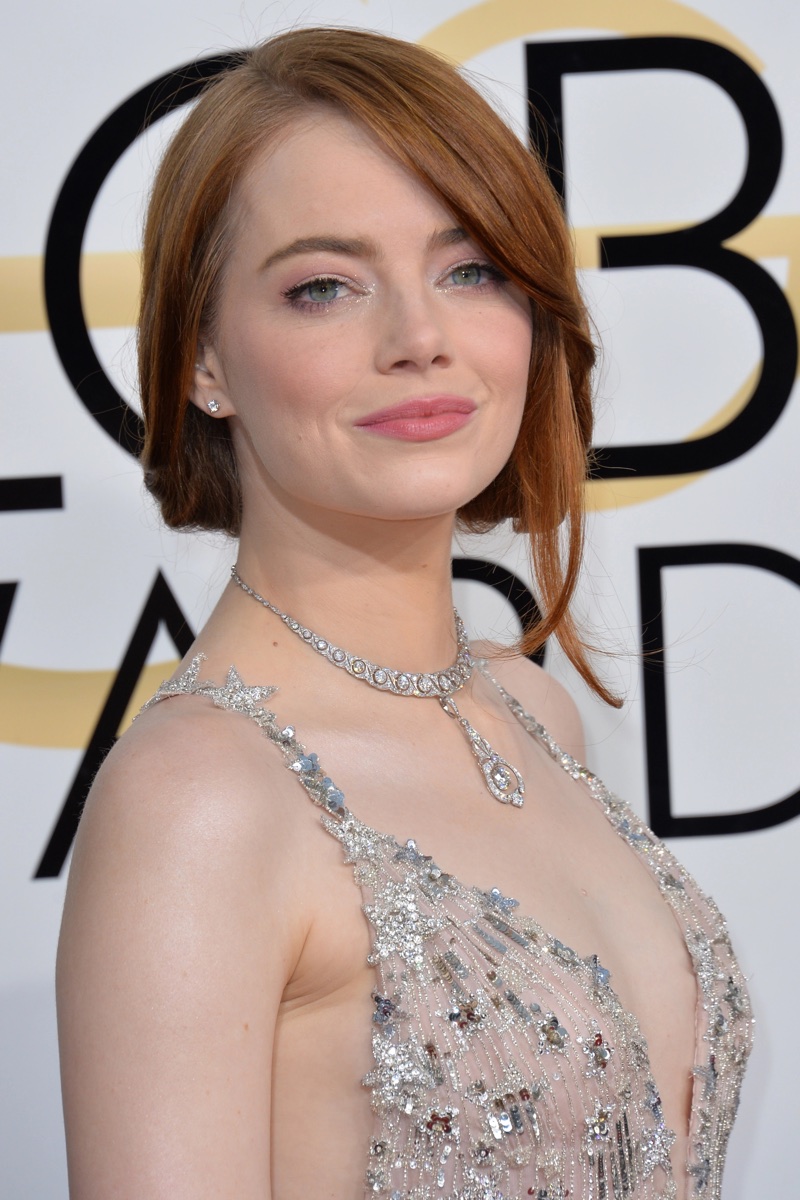
Emma Stone

Emma StoneFeatureflash / Deposit Photos

Emma Stone’s red hair has remained one of her most recognisable signatures across a career that has consistently used it to ground her most appealing qualities on screen. It gave Olive in Easy A (2010) a sharp, comic brightness that made her breakthrough feel inevitable, and returned with a golden, sun-kissed warmth in La La Land (2016) that suited Mia’s dreamer romanticism perfectly.

Emma Stone is one of the most decorated actresses working in Hollywood today, a performer who parlayed sharp comic instincts into a dramatic range that has now produced two Academy Awards. She broke through with Superbad (2007) and Easy A (2010), then built a filmography that includes The Help (2011), Birdman (2014), La La Land (2016), The Favourite (2018), and Poor Things (2023), winning Oscars for the latter two. The arc from high school comedy to Yorgos Lanthimos collaboration is steep, and she made it look like a straight line.

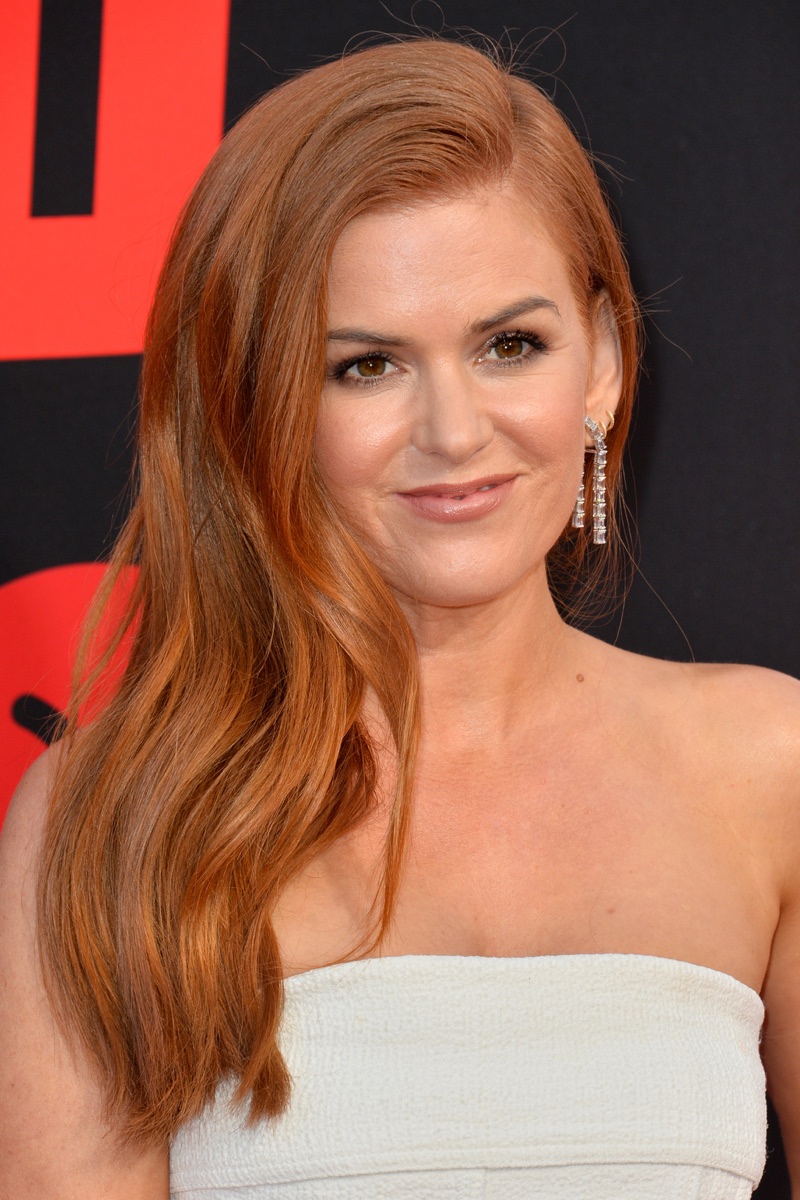
Isla Fisher

Isla FisherFeatureflash / Deposit Photos

Isla Fisher’s bright red hair has always given her an instantly recognizable vivacity that suits an actress whose comic timing operates at a frequency few can match. It powered the anarchic energy she brought to Wedding Crashers (2005), where her Gloria’s unhinged devotion landed harder because the look made everything feel slightly heightened and larger than life. In Confessions of a Shopaholic (2009), it suited a character whose life was colorful.

Isla Fisher is one of the most naturally gifted comic actresses in mainstream Hollywood, a performer whose physical timing and commitment to absurdity elevated every project she joined across two decades. She broke through with Wedding Crashers (2005) and followed it with Confessions of a Shopaholic (2009), The Great Gatsby (2013), and Now You See Me (2013), building a career anchored in broad comedy without ever being limited to it.

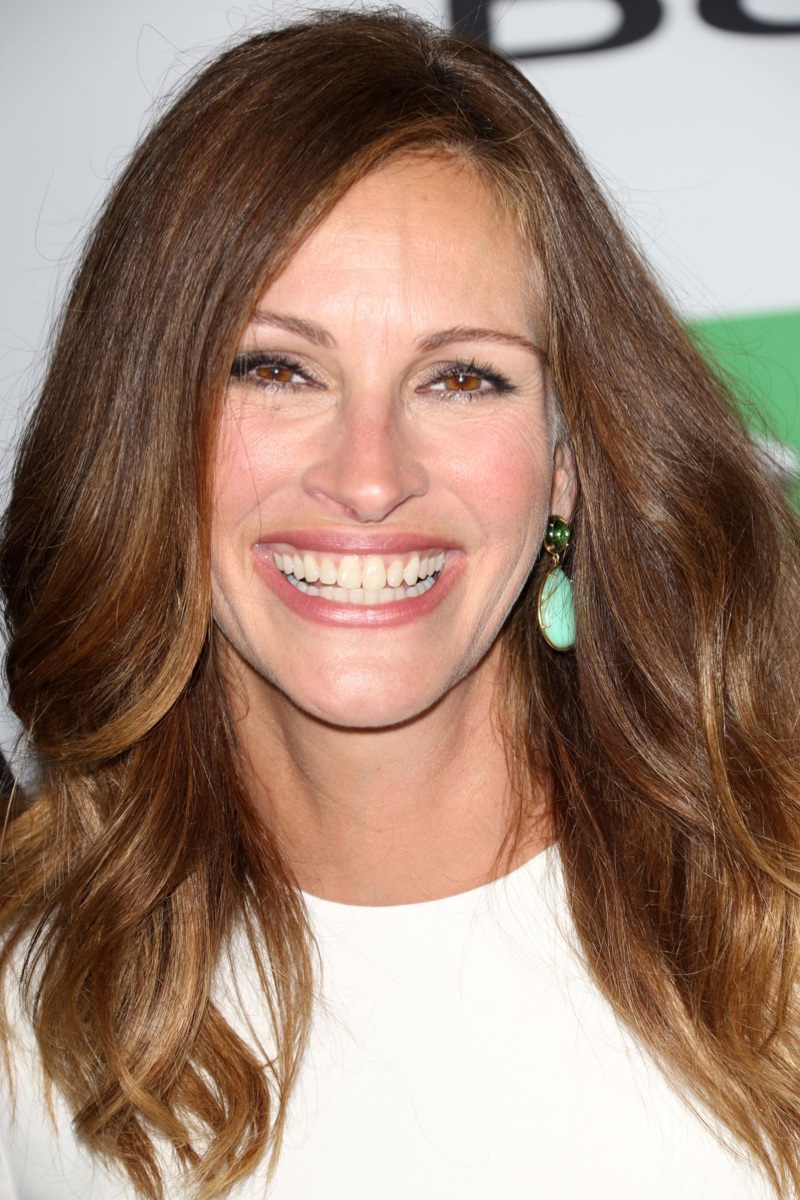
Julia Roberts

Julia Robertss_bukley / Deposit Photos

Julia Roberts’s auburn-red hair became one of the most iconic looks in Hollywood the moment she smiled her way through Pretty Woman (1990). Those tousled waves suited an actress whose screen presence has always operated on a frequency of outsized warmth and magnetism. It framed her features with a wild, romantic energy in her early career, and in My Best Friend’s Wedding (1997), it took on a polished quality.

Julia Roberts is the defining American movie star of the 1990s, a performer whose smile became one of the most recognizable images in Hollywood before she had collected half her best work. She broke through with Steel Magnolias (1989) and Pretty Woman (1990), then built a career that includes My Best Friend’s Wedding (1997), Notting Hill (1999), Erin Brockovich (2000), and Ocean’s Eleven (2001), winning the Academy Award for the first of those last four. For a solid decade, she was the most bankable actress in the world, and the films from that run still hold audiences twenty years on.

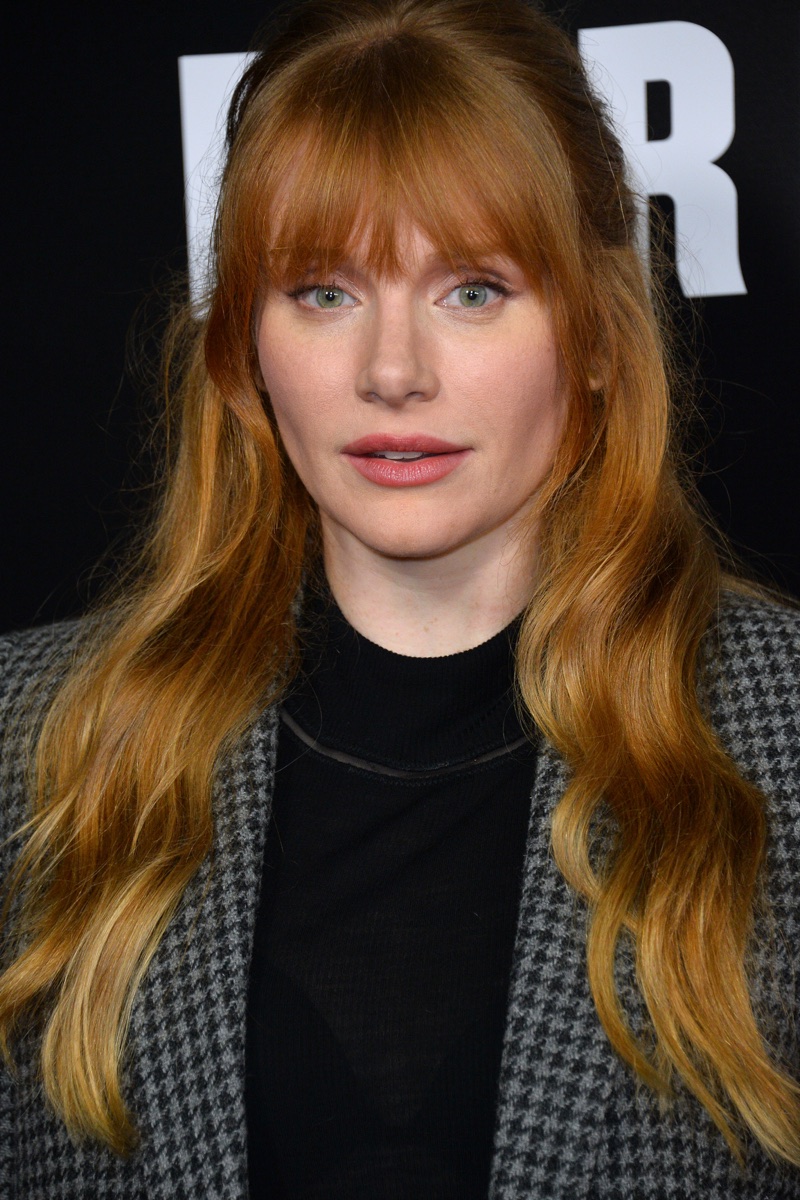
Bryce Dallas Howard

Bryce Dallas HowardFeatureflash / Deposit Photos

Bryce Dallas Howard’s vivid red hair has been her most distinctive visual signature across a career that spans indie drama and mainstream blockbusters. It gave Claire an incongruous polish in Jurassic World (2015), a woman too composed for the chaos erupting around her, and in The Help (2011), it suited a character whose surface propriety was always the point.

Bryce Dallas Howard is one of the most quietly persistent actresses in Hollywood, a performer who has built a filmography across three decades by showing up in projects ranging from M. Night Shyamalan experiments to global blockbusters without ever quite becoming the star her talent suggested she should be. She broke through with The Village (2004), then added The Help (2011) and the Jurassic World franchise beginning in 2015, while developing a parallel directing career through episodes of The Mandalorian. The daughter of Ron Howard, she has navigated the industry on her own terms long enough that the famous surname feels like a footnote.

Jessica Chastain

Jessica ChastainPopularImages / Deposit Photos

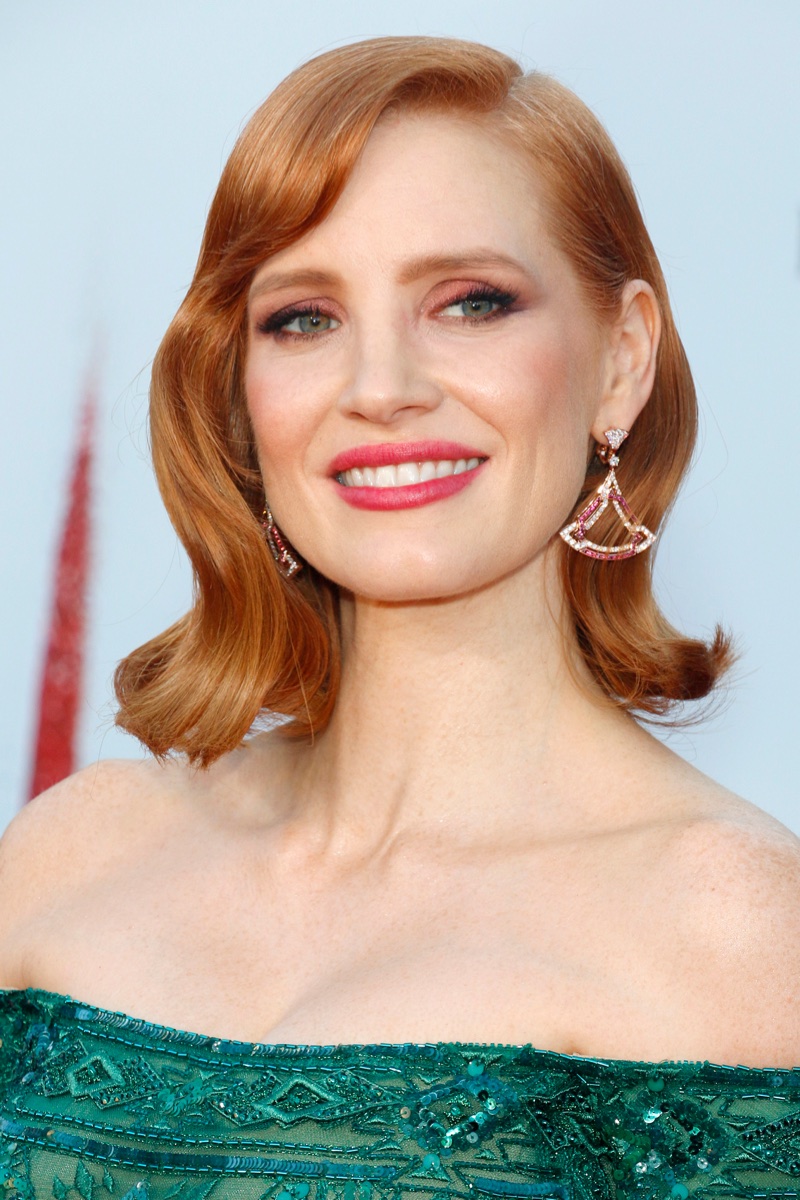
Jessica Chastain’s red hair has given her screen presence an unusual luminosity that suits an actress whose best roles carry a quiet, burning intensity. It framed the steely determination she brought to Zero Dark Thirty (2012) with an almost contradictory softness, and in Miss Sloane (2016) it took on a sharp, weaponized quality that suited a lobbyist who treats every room she enters as a battlefield.

Jessica Chastain is one of the most formidable dramatic actresses working in Hollywood today, a performer who arrived with five films in a single year and immediately established herself as someone the industry would be organizing itself around for decades. She broke through with The Tree of Life (2011) and The Help (2011), then built a filmography that includes Zero Dark Thirty (2012), Interstellar (2014), Miss Sloane (2016), It Chapter Two (2019), and The Eyes of Tammy Faye (2021), winning the Academy Award for the last of those. The range across that body of work is as wide as any actress of her era has attempted.

Sarah Snook

Sarah Snook [email protected] / Deposit Photos

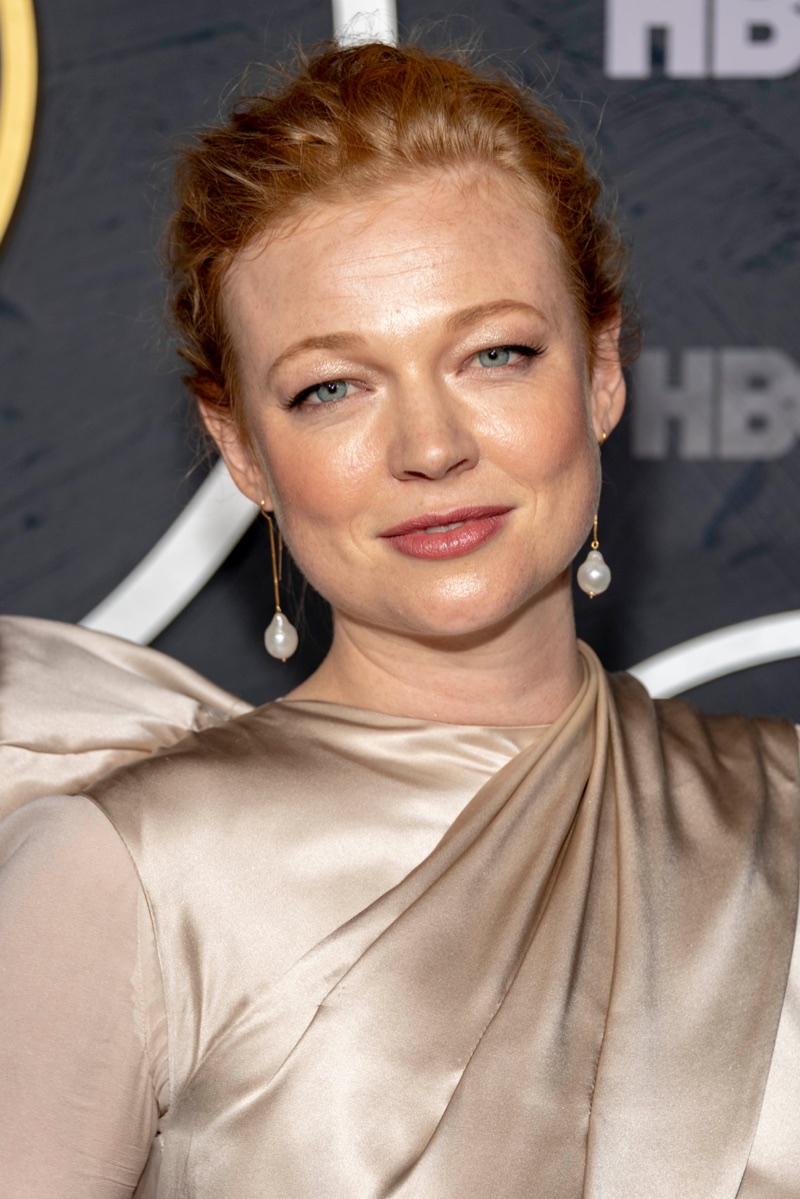
Sarah Snook’s auburn-red hair became inextricable from Shiv Roy’s identity across four seasons of Succession, giving the character a polished, corporate sharpness that suited a woman perpetually negotiating her place in a world designed to exclude her. It shifted in tone alongside Shiv’s fortunes, sleek and controlled in the boardroom scenes, looser and more unraveling as the series closed in on its devastating finale.

Sarah Snook stands among the sharpest dramatic actors of her generation, an Australian performer who turns corporate menace and emotional fracture into the same gesture. She trained through Australian theater and indie features before Shiv Roy in Succession (2018-2023) made her a global name, with film work spanning Predestination (2014), The Dressmaker (2015), and An American Pickle (2020), plus an Olivier for her one-woman Picture of Dorian Gray on the London stage. Few actors of her cohort have matched her run from prestige television to a solo theatrical marathon in five years.

Lindsay Lohan

Lindsay LohanJean_Nelson / Deposit Photos

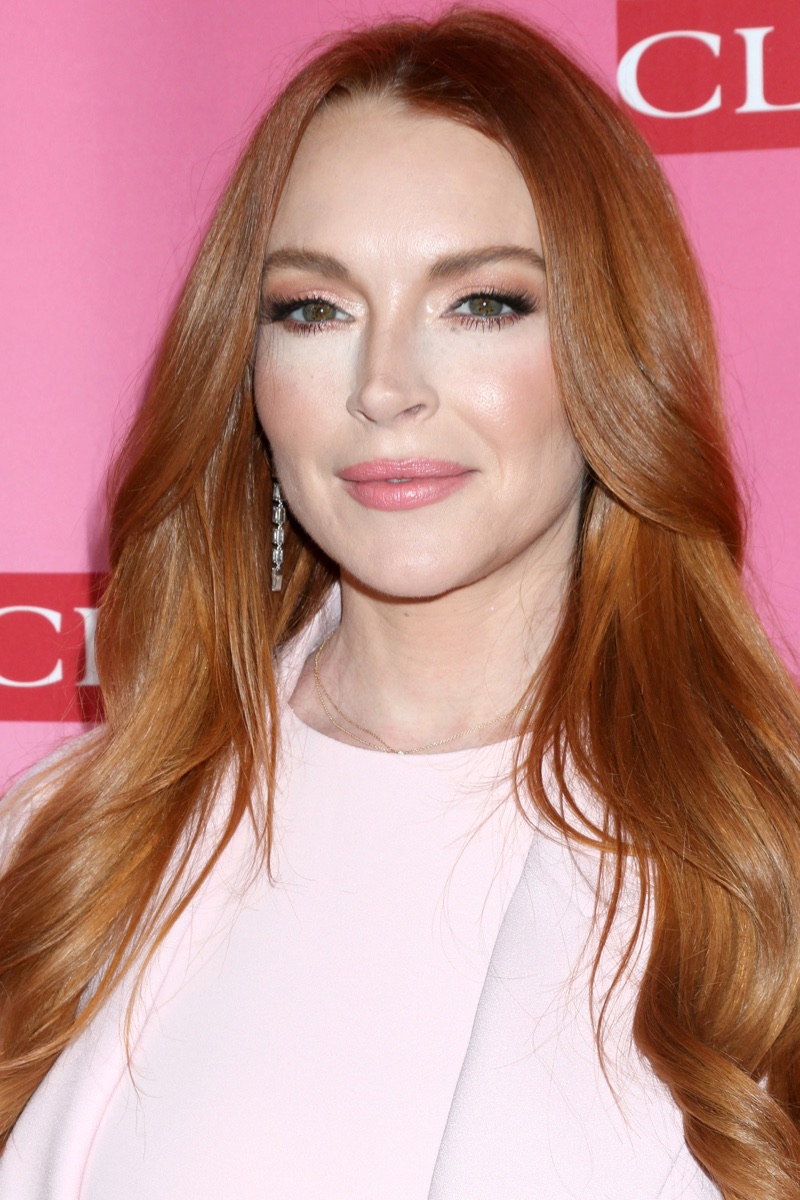
Lindsay Lohan’s bright, distinctive red hair was central to her early screen identity, giving her a vivid, girl-next-door energy that made her breakthrough roles feel immediate and likable. It suited the dual role she played in The Parent Trap (1998) with a warmth that made both twins instantly lovable, and in Mean Girls (2004), it gave Cady an approachable innocence that made her corruption by the Plastics land with the right amount of comic tragedy.

Lindsay Lohan is one of the most talented child-to-adult transitions Hollywood ever produced and one of the most documented cautionary tales about what the industry does to performers who arrive too young and too famous. She announced herself in The Parent Trap (1998), then delivered back-to-back performances in Freaky Friday (2003) and Mean Girls (2004) that demonstrated a comic timing and screen warmth that her contemporaries could not touch. The years that followed took her off cours